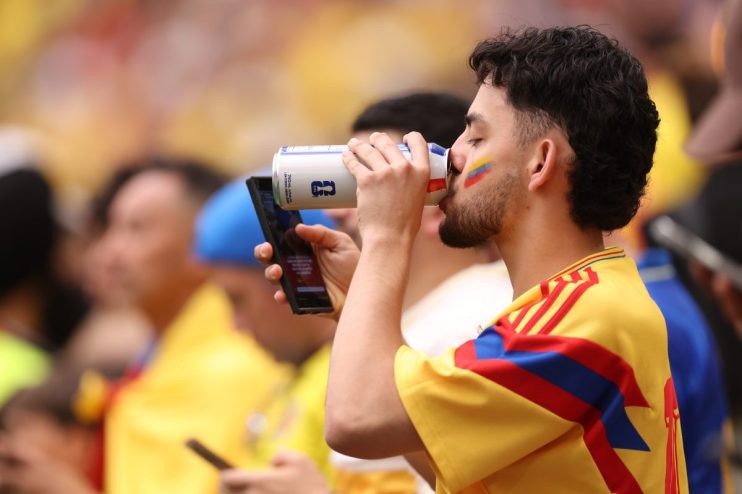
Settle into your Wembley Stadium seat for today’s NFL game and you can roar on the Jaguars with a cool Coors in hand. Visit the Hill Dickinson Stadium in May for rugby league’s Magic Weekend and you can drink Guinness from a two-pint cup. Planning to visit those same stadiums on a England or Everton matchday, however?
You’ll do well to slip a Shloer into the stands.
As PM Andy Burnham flirts with lifting the ban on football fans drinking in view of the pitch, the contrast of alcohol’s position among sports offers a unique insight into fandom. Just as F1 drivers spray champagne, Wimbledon-goers sip Pimm’s and darts fans fling lager, every sport has its own rituals and unwritten rules. But what adds fizz to one fan experience can burst the bubble of another.
Businesses operating around sport must drill down into the distinctions. Even if Burnham relaxes the ban, brands can’t just think, “Great, now what can we sell to football fans?”. The most important question, as always, remains: “What actually adds value to the experience people have come for?”
Stay in the know
Three daily briefings with the key market moves and top business and political stories.
SUBSCRIBE HEREAlcohol a fuel to the fire?
Football clubs enjoy a level of fandom that other sports would give their right leg for. A deep-rooted sense of community, belonging and, in some cases, tattoos, guarantees fan loyalty even through the biggest defeats. The Premier League in particular is one of modern Britain’s greatest exports.
But that tribalism has a darker side. In the 1970s and 80s, British football spilled into hooliganism and violence, with alcohol often adding fuel to the fire.
Since the ban was introduced in 1985, the sport’s culture has changed. More than 5,500 arrests were recorded at league matches in the 1984-85 season; today, football-related police action equates to just four incidents per 100,000 attendees, and even the recent highly charged “Dockers Derby” between Millwall and West Ham recorded just six arrests.
But has football moved far enough from its past behaviours to justify reintroducing the fuel that fed them?
Raising a glass to innovation
Football’s tribalism hasn’t disappeared. It’s still what makes the sport so powerful. The Premier League hardly has a problem persuading people to turn up – but nor is its next generation of fans crying out for another place to buy a lager.
Younger audiences are drinking differently, if at all. They’re also expecting more from live entertainment, like stronger fan interactivity and digital integration. Putting alcohol back into the stands sounds great for drinks companies, but is it a good argument for the modern football experience?
The 2022 World Cup in Qatar offered an interesting live experiment. The late decision to ban alcoholic beer sales from stadiums entirely made huge headlines at the time. However, on-site innovations, from fast-track entry gates to entertainment zones, still showed that a global football experience could appeal to fans across cultures without alcohol sitting at its centre.
Think outside the box
The debate offers a bigger opportunity to follow Fifa’s lead, look beyond the pint and ask what else could make the experience better.
Other sports are already making huge strides here. Cricket has introduced entirely new short formats in T20 and The Hundred, while NBA jumbotrons run live fan-focused segments like kiss cams and dance-offs during in-game lulls. Football itself tested a new Super Bowl-style halftime show at the recent World Cup final, plus activations and in-stadium augmented reality tools.
The prime opportunity for businesses sits in that space around the sport. NFL-style tailgate parties, for example, could turn the hours before kick-off into somewhere fans meet, eat and spend time together – rather than a march from the pub to the stadium bar. It builds commercial value because it first creates something worthwhile for the audience.
The same principle applies to every type of sport. At Goodwood’s motoring festival, eBay Garage tapped into the knowledge of the crowd. It worked because it added to what people had come to enjoy, rather than competing with it.
Play the fandom occasion, not just the audience
Sponsorship can buy access to an audience but the key is understanding what makes that audience tick.The real test is asking what fans are turning up for.
As this country’s national sport, top-flight football doesn’t have any issues attracting audiences. So any legislative decision that changes the fabric of the matchday experience must show a clear net benefit for the people watching it, rather than simply a commercial upside for the businesses selling into it. Brands need to hold themselves to the same standard.
Ben McMahon is the Global CEO of Collaborate