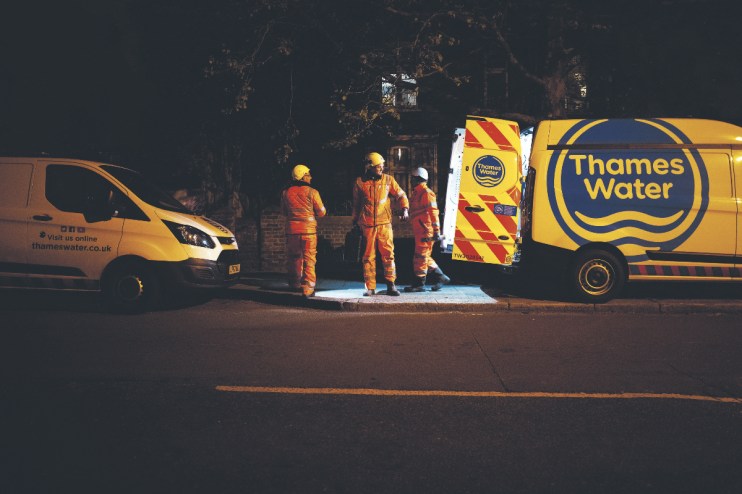
Thames Water has laid out plans to push back debt repayments worth more than £12bn by a year, as the embattled utility looks to buy time to secure a rescue deal.
Bosses at the country’s largest water company, which provides services to about 16m customers mainly in London, have proposed a deal to delay some debt payments that were due in March next year until March 2028.
Thames Water has been struggling under a £20bn pile of debt and faces the prospect of nationalisation if it does not secure an approved funding package from private sector investors. The government has previously floated placing the business into a temporary special administration regime, in a move that could be costly for taxpayers.
So far, creditors representing some £12bn have signed up to the delayed payment plan and Thames is looking to gather support from more lenders.
Thames Water said there was an “ongoing” process to allow Thames Water to benefit from further relief on credit.
Stay in the know
Three daily briefings with the key market moves and top business and political stories.
SUBSCRIBE HERE“As at the time of this announcement, creditors certifying that they represent in excess of £12bn of secured debt have entered into the transaction support agreement,” a statement said.
A group of lenders to Thames Water, who are seeking to take over the firm, announced that the Labour peer Lord John Hutton would join the company’s board as its independent chair designate if the consortium managed to take full ownership.
The so-called London & Valley Water consortium, which features financial giants such as Elliott Management and Silver Point Capital, has said Thames Water would eventually be listed on the London Stock Exchange while debt writedowns and equity investment would be included as part of its proposals.
The Prime Minister Andy Burnham has called repeatedly for “greater public control” of utility companies and officials are studying plans to gain more tight ownership of the sector.
Last week, environment secretary Angela Eagle wrote to mayors, including London’s Sir Sadiq Khan, to ask them to help design local water bodies that would regulate and potentially oversee regional water firms.
“For the first time, local people will have a real say over what they need from their water company, whether that is cleaning up polluted rivers, building new reservoirs or protecting homes from floods,” Burnham said.