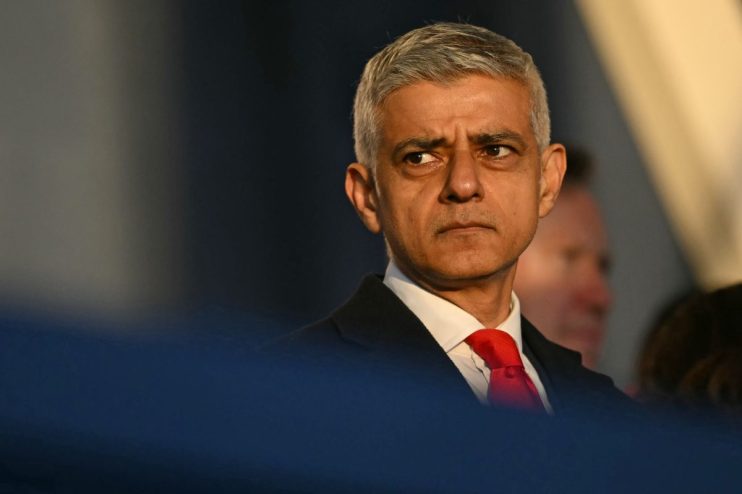
Oxford Street has become permanently traffic-free for the first time as London mayor Sadiq Khan presses ahead with a major overhaul of the capital’s busiest shopping district ahead of Christmas.
Almost a kilometre of the famous shopping street, between Orchard Street near Selfridges and Great Portland Street, has closed to vehicles from Monday, ending decades of failed attempts to pedestrianise the West End thoroughfare.
Buses, taxis, private hire vehicles, cyclists and scooters will now be diverted onto surrounding roads, while deliveries will be restricted to overnight hours between midnight and 7am.
The move marks the first phase of a wider regeneration project aimed at reviving Oxford Street, which generates around £3.1bn in annual spending but has struggled with changing shopping habits, empty storefronts and the proliferation of American-style sweet shops.
Khan described the closure as a “truly momentous occasion for the capital”, arguing that removing traffic would help attract investment, retailers and visitors back to the West End.
Stay in the know
Three daily briefings with the key market moves and top business and political stories.
SUBSCRIBE HERE“There has been talk of pedestrianising Oxford Street for decades. After so many false dawns, and now working with a government who share the scale of my ambition, I’m proud that we’re finally unlocking a new era for the street”, he said.
The mayor has also suggested the transformation could help replace the low-quality souvenir and sweet shops that have become increasingly prominent along the street.
“I’m looking forward to good quality shops rather than the dross we’ve had” he told the Evening Standard.
Retailers back plans as traffic concerns remain
The pedestrianisation comes just weeks before the crucial Christmas trading period, with major retailers welcoming the prospect of increased footfall.
John Lewis, which has traded on Oxford Street for more than 160 years, said the changes would complement its multimillion-pound investment in its flagship store.
Selfridges also backed the plans, while property adviser Savills reported growing competition among retailers seeking space on the street.
“We’re experiencing unprecedented appetite from brands for space on Oxford Street, with competition for prime units continuing to intensify,” said Sam Foyle, Savills’ co-head of global retail.
However, the scheme has faced opposition from residents and Westminster City Council over concerns that diverting traffic will increase congestion on neighbouring roads.
Buses and other vehicles will be redirected through surrounding streets, including Wigmore Street, Henrietta Place and Cavendish Place, with new bus stops approximately 200 metres from the pedestrianised area.
Westminster Council deputy leader Tim Barnes has criticised the timetable, arguing that the scheme has been rushed.
“It feels rushed, it feels under-resourced, and it feels slightly undercooked”, he said.
Transport for London said it would closely monitor traffic movements and make adjustments where necessary.
London’s Transport Commissioner Andy Lord said the authority would be “closely monitoring these changes to make sure they are working for everyone”.
Khan eventually established the Oxford Street Development Corporation, transferring key planning powers away from the council to a mayoral body overseeing the regeneration.
More substantial improvements are scheduled for spring 2027, including more than 50 trees, over 100 seats, two public squares, dining areas and new lighting.
The Mayor hopes the redevelopment will help Oxford Street compete with major international shopping destinations including the Champs-Élysées in Paris and La Rambla in Barcelona.