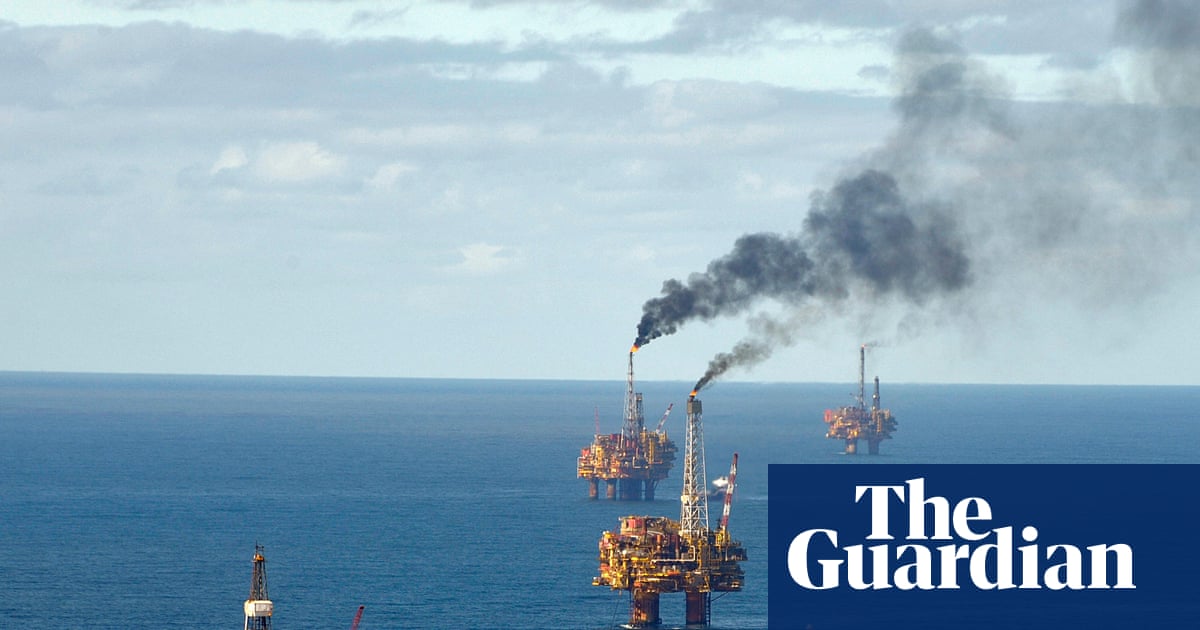
North Sea workers are preparing to strike at oil rigs across the ageing basin over the coming weeks in a sign of growing tensions between trade unions and oil companies.
The Unite union said on Monday that more than 160 offshore rig workers would take part in a 24-hour strike from Wednesday that could "severely disrupt" UK fuel supplies.
A 48-hour strike starting on Tuesday was already planned by workers at oil services company Wood Group contracted to Harbour Energy's Britannia, Jasmine, Judy, Lomond and North Everest platforms.
Trade union leaders are scheduled to continue pay talks with the Apache energy company through the Acas mediation service on Wednesday. But Unite expects the 24-hour strike to go ahead at 6am that morning because, it says, the company has shown "no willingness" to resolve the dispute.
The strike will include workers employed at five Apache oil platforms linked to the Forties Pipeline System (FPS), which is responsible for about 30% of the UK's oil production. Unite has claimed that a halt in production could lead to a sharp drop in pressure across the pipeline system and disrupt UK fuel supplies.
A spokesperson for Jim Ratcliffe's Ineos, the owner of the Forties pipeline, did not respond to a request for comment.
North Sea oil companies have been on a collision course with trade unions in recent years as many cut investments in their UK assets, blaming the UK's energy policies and tax regime.
The industrial action comes ahead of the budget on 28 October and an imminent decision on the fate of the controversial Jackdaw gas project, as the UK faces fresh concerns over its energy supplies this winter because of the global fuel crisis caused by the wars in the Middle East and Ukraine.
Texas-based Apache plans to end all its North Sea operations by the end of 2029, blaming the "onerous financial" impact of the government's windfall tax, which means oil companies pay a total tax rate of 78% on their profits.
A spokesperson for Apache said it plans to use experienced contractors to continue production during the strike. It added that even if all five platforms were unable to operate, the company would not expect an impact on other oil companies using the Forties pipeline.
The company added: "Our offer provides a 4% pay increase for employees in the bargaining unit, whose earnings already place them among the highest earners in the UK and whose offshore rota averages 153 working days a year."
Harbour Energy, the UK's biggest producer of North Sea oil, has also blamed the UK's tax regime for its decision to scale back investment in UK waters. It said late last year that it would cut 100 offshore jobs, having reduced its workforce by about 600 since 2023.
Wood Group said that only eight of the 150 employees contracted to the affected Harbour platforms took part in strike action earlier this month and that the action did not disrupt operations. A third 48-hour strike is planned for 3 November, according to Unite and trade union RMT.