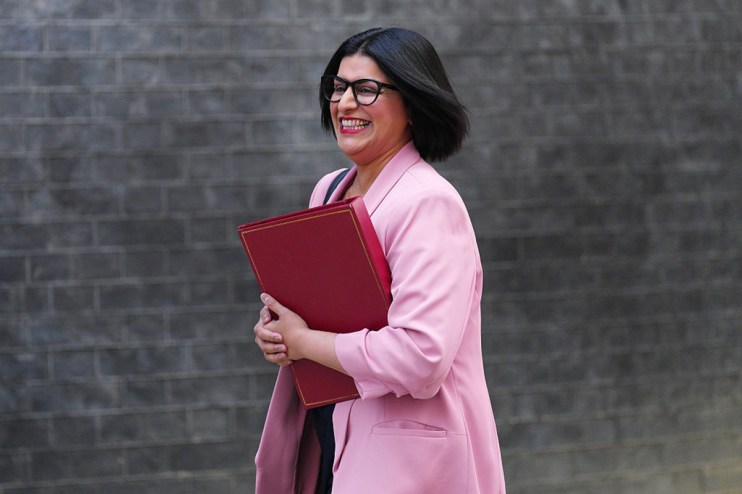
Home secretary Shabana Mahmood has watered down migration rules for care workers after backlash from Labour MPs, although high earners will benefit from faster routes to settlement in the UK.
The home secretary confirmed plans to allow some entrepreneurs, scientists and workers earning above £125,141 a year to be granted settled status rights after three years living in the UK in a contribution-based approach to immigration.
Migrants who are granted indefinite leave to remain (ILR) are allowed to live in the UK for as long as they wish and gain broader access to Britain’s welfare system and change jobs without employers’ sponsorship.
But after looking over 200,000 consultation entries for nearly a year, Mahmood announced that care workers who earned at least £25,000 a year will be able to gain ILR with their dependents after five years in the UK. People who arrived on fraudulent visas will have a “second chance” to apply for a real visa.
She had previously said her restrictions on ILR time periods would apply retrospectively to hundreds of thousands of care workers who arrived after the pandemic. Mahmood told parliament that 250,000 people and their dependents arrived or switched onto a previous special visa for the sector.
Stay in the know
Three daily briefings with the key market moves and top business and political stories.
SUBSCRIBE HEREMahmood’s migration U-turn
The home secretary said that while she aimed to tackle abuse of the visa from some employers, she wished to recognise the “service of those who cared for our sick and elderly at a time of immense national need” during the pandemic.
Mahmood’s decision to water down restrictions on ILR represents a significant change in tack since Andy Burnham rose to Number 10. Two Cabinet ministers, Miatta Fahnbulleh and Angela Rayner, had appeared to publicly criticise Mahmood’s proposals. The Home Secretary’s original proposal was seen as a tough approach to migration, but the plan sparked a furious row within the Labour party.
The U-turn is set to come under heavy scrutiny given concerns raised over the costs that some low-income migrant workers have on public services. The Conservatives pointed to government research stating that social workers and dependents settling in the UK between 2026 and 2030 alone would cost the taxpayer nearly £10bn over the course of workers’ lifetimes driven by welfare payments including the state pension.
The cost of each social care worker on the taxpayer amounts to about £36,000 and £67,000 for each dependent, according to the Migration Advisory Committee.
Mahmood told MPs on Monday: “Everyone will have a fair shot to make their contribution, and no one will be punished for the sins of their employer. But we will also preserve the critical element of this reform: that settlement must be linked to contribution.”
Those earning above around £51,000 will be able to apply for ILR after five years in the UK while low-income workers will have to apply for settled status after 10 years. Previously, Mahmood had set out plans to make some low income workers wait for 15 years before getting ILR.
Prior to Mahmood’s announcement, Burnham told ITV News that it was “difficult” to say whether net migration was too high or too low.
“It’s got to be, if you like, following gaps in the economy. Because if you just put a number on it, then we may have a shortage in a certain area and then you’re saying, ‘Well, we can’t recruit people.”
The most recent set of official statistics showed that net migration was 171,000 in the year to December 2025.
This has dropped from a peak of around 944,000 two years earlier, even as the last Conservative government pledged to slash migration.