If there was a single message that came out of The Age of Change, the MoneyWeek Wealth Summit on Friday 6 November, it was that investors need to pay much closer attention to how fast the world is evolving.
Historian Peter Frankopan made a very stark point in his wide-ranging analysis of today's geopolitics. Governance in the West has declined disastrously, epitomised by the degradation of institutions in the US that enabled a second term for Donald Trump. This has brought a misguided war in the Middle East, a cost of living crisis and a president obsessed with building a giant ballroom and other autocratic vanity projects.
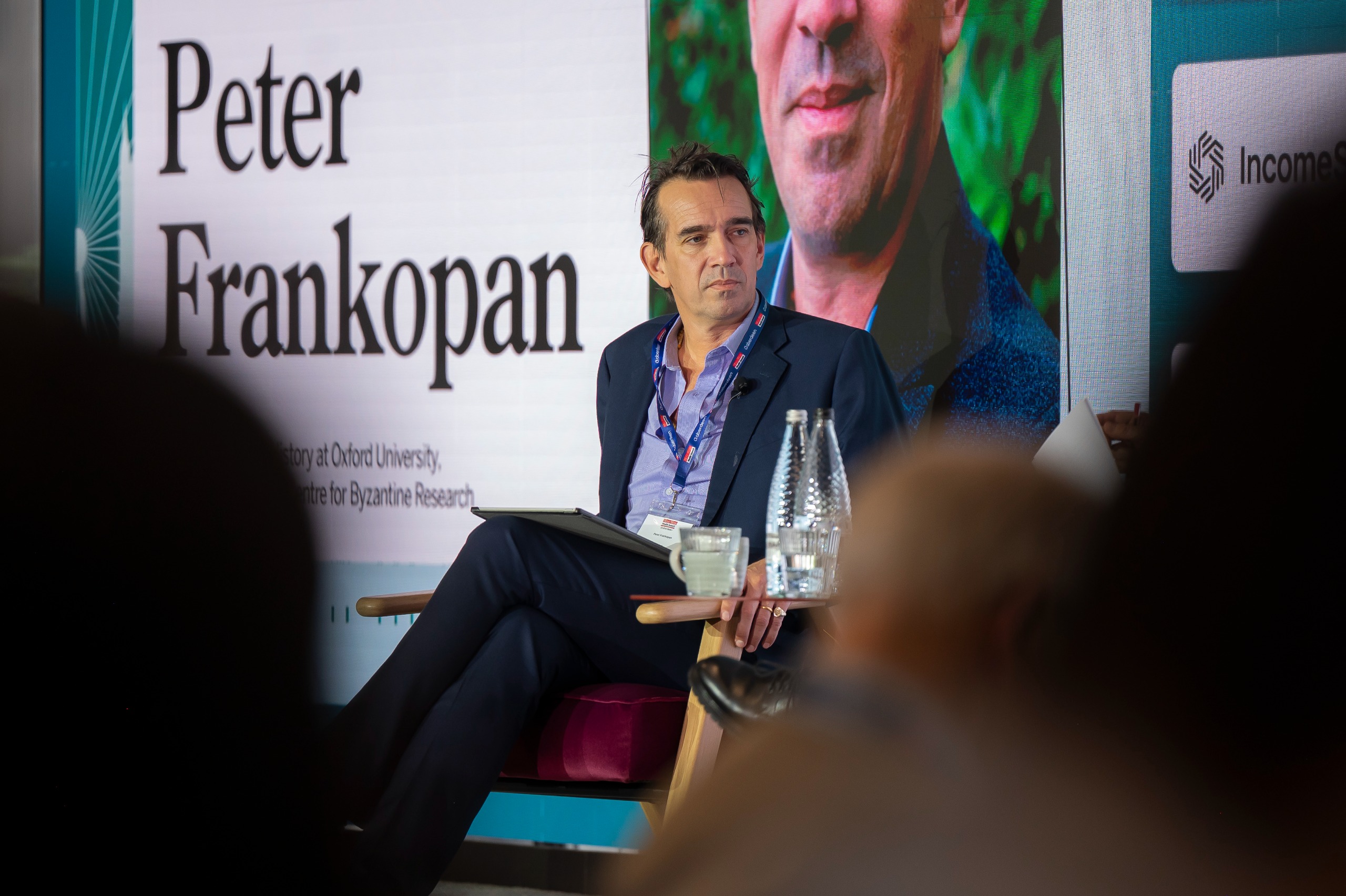
The worst consequences of this “Age of Idiots” will be international rather than domestic. To the rest of the world, the West looks directionless, unaccountable and hypocritical. Inward-looking and consumed by its own dramas, it does not notice how it has surrendered leadership and how power is shifting.
There are a (very) few shards of light: the Trump shock is encouraging Europe to think about its own role in the new world order. But the overall lesson for investors is that they must ditch a framework where “geopolitics doesn't matter” and prepare for a very different environment. That message emerged from our morning panel on managing these challenges.
Start your trial of MoneyWeek today
Get unparalleled financial insight, analysis and expert opinion you can profit from.
Start your trial
Sign up for MoneyWeek’s free twice-daily newsletter.
Join more than 165,000 subscribers and keep yourself informed with latest financial news, insights and expert analysis to help you understand what really matters when it comes to your finances.
Join more than 165,000 subscribers and keep yourself informed with latest financial news, insights and expert analysis to help you understand what really matters when it comes to your finances.
Resilience is becoming critical. Take fossil fuels and renewables, said Stephanie Kelly of Lombard Odier. No longer is this an either/or debate, but a calculation on what combination best delivers energy security. Yet within portfolios, an unstable world that also comes with higher government deficits and higher inflation challenges traditional ways to build in resilience, added Jasmine Yeo of Ruffer. A steady allocation to bonds and traditional safe havens no longer works so well. Still, flexible investors who use all the tools at their disposal can profit from volatility.
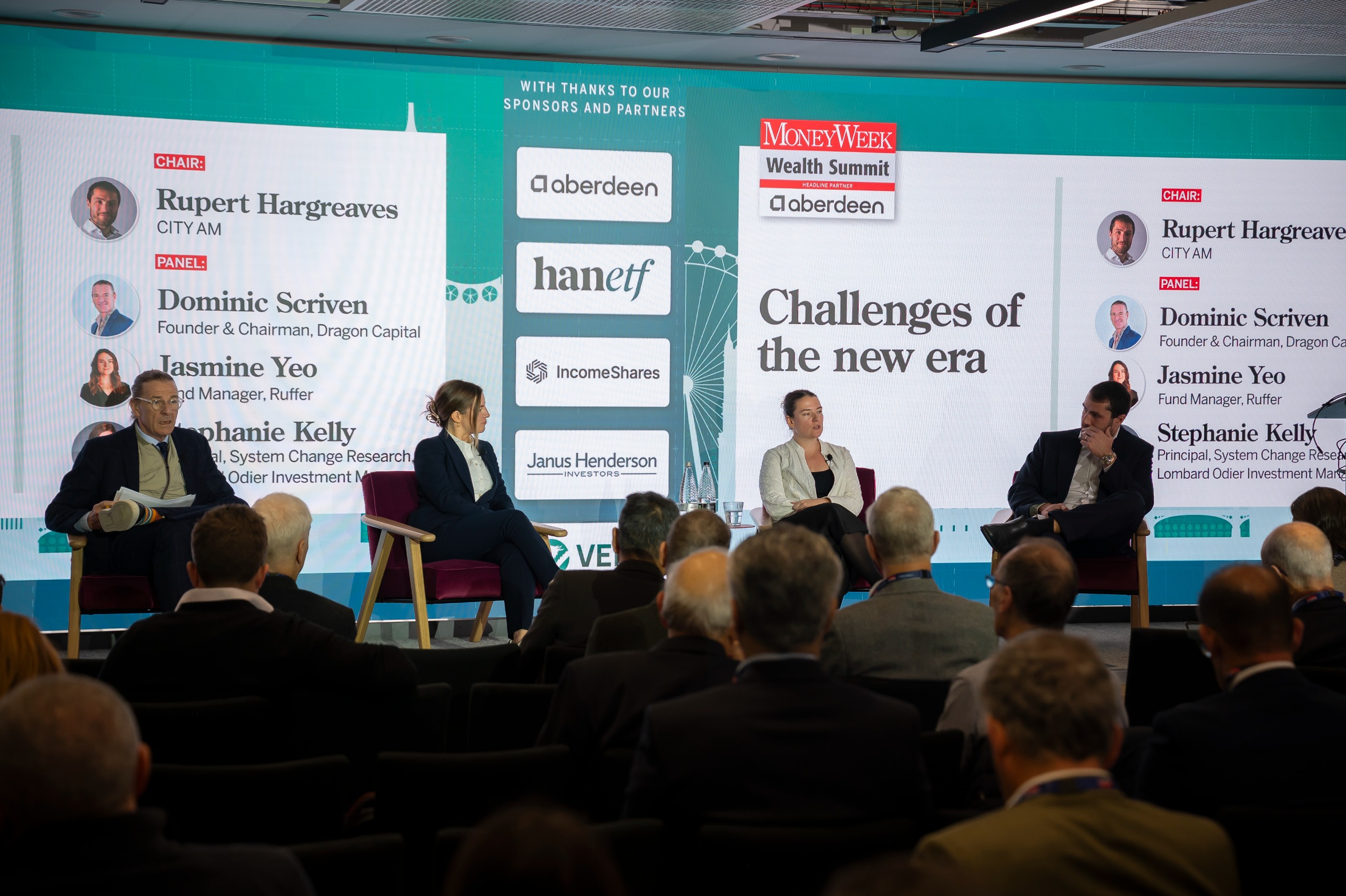
And the outlook is not all bleak. The Western vision of the world may be in tatters, but other countries are doing okay with a different approach. Vietnam has had just one major political crisis in 30 years, said Dominic Scriven of Dragon Capital. The country is not a democracy, but has a clear social contract: the Communist Party will deliver security, stability and growth. At present, that seems to be working.
Stay optimistic, but be diversified
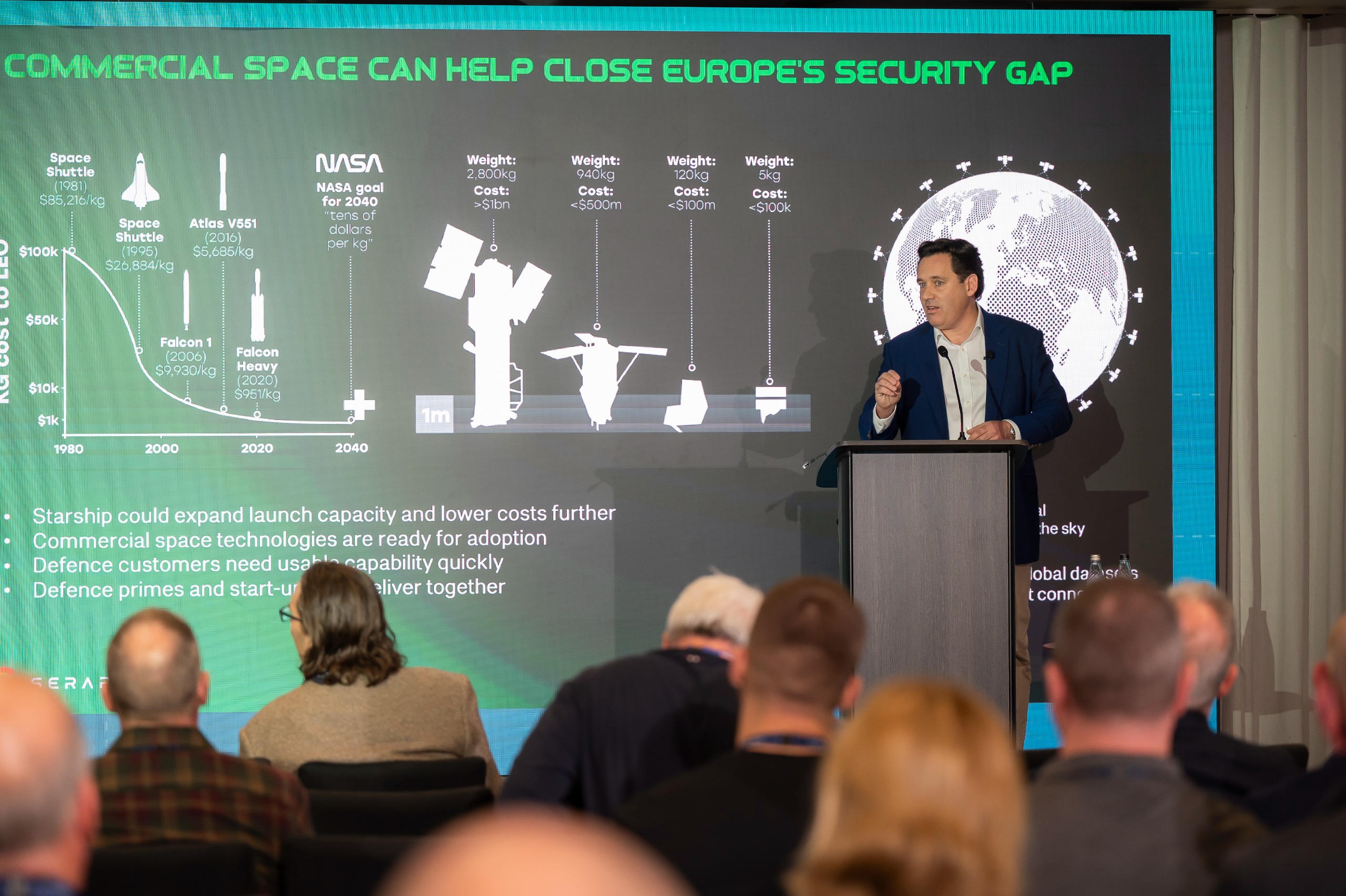
Many speakers were optimistic about technological change. We are only at the start of the AI revolution, argued Richard Clode of Janus Henderson; there are vast applications from pharmaceutical research to robotics. Recent market weakness should be seen in that context. Space is the new investment frontier where many of big themes interact, concluded Rob Desborough of Seraphim Space: access to space is a matter of national security, but communications, satellite imaging and more also already have large commercial applications and this will only grow. Less cheerily, we are seeing rapid innovation in drones due to war alongside rising defence spending, said Tom Bailey of HANetf. Asia is a region to watch now.
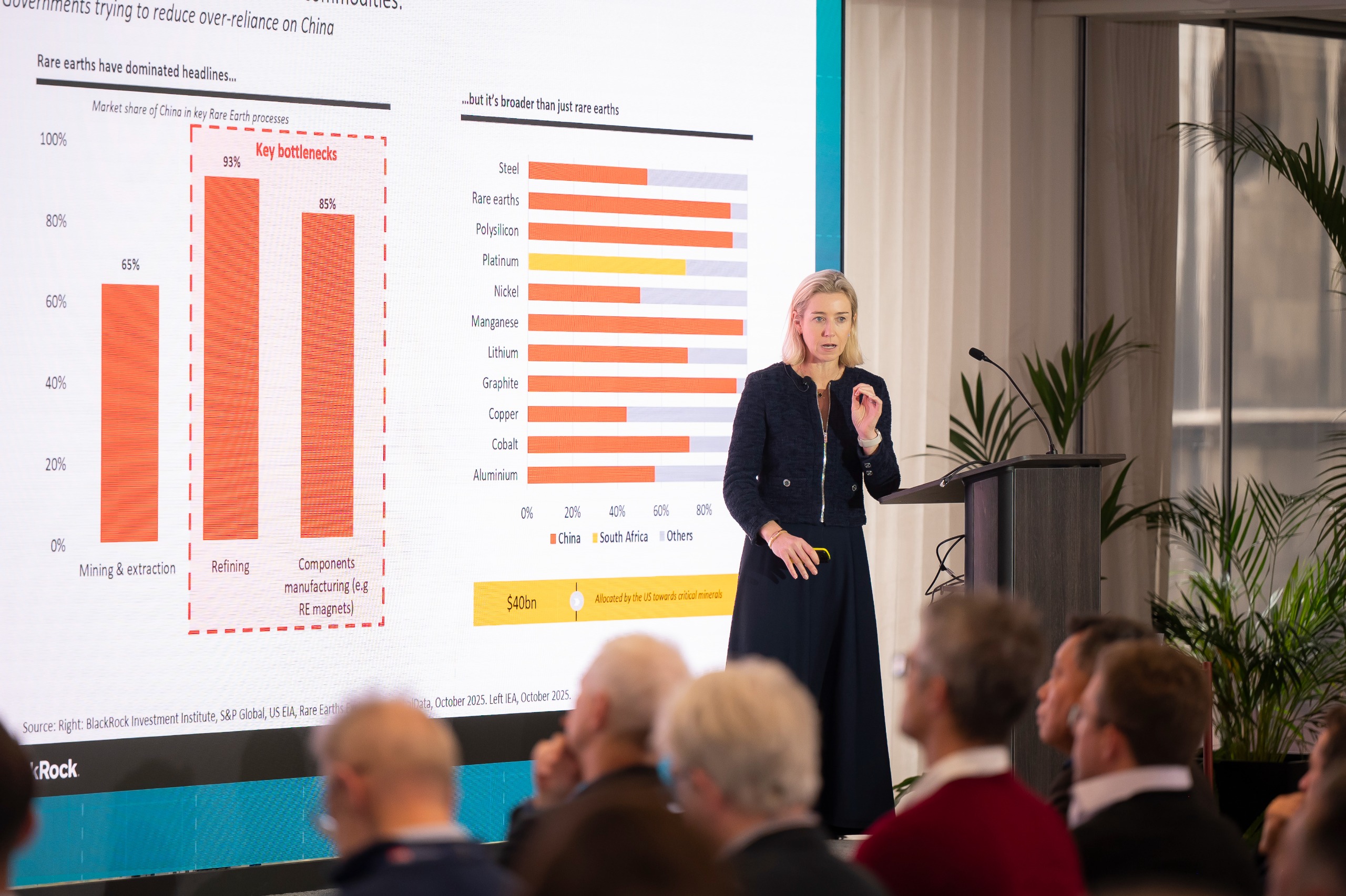
Charlie Morris of ByteTree and Izabella Kaminska of The Blind Spot remained upbeat on bitcoin and tokenisation, although the recent hack of the Binance cryptocurrency exchange is a reminder of the importance of security in digital assets too. For those who prefer real assets, the electrification of the economy has huge implications for natural resources such as copper, noted Olivia Markham of BlackRock. While demand growth can be uncertain, supply is predictable because a new mine takes years to bring into production. The outlook is already is very tight for many metals.
Other presentations identified the tech-heavy, US-heavy nature of the global index as a risk in itself and pointed to ways to diversify. Stocks in Asia and Latin America can offer attractive yields without sacrificing growth, said Marty Connaghan of Aberdeen. Good-quality UK stocks are particularly cheap, noted Ian Lance of Redwheel (a favourite MoneyWeek message). There are still plenty of catalysts to unlock value from discounted UK-listed investment trusts, argued Charlotte Cuthbertson and Tom Treanor of Asset Value Investors. And despite the lack of new listings in London, investors can still access fast-growing businesses through venture capital trusts, as Shane Gallwey of Guinness Ventures discussed.
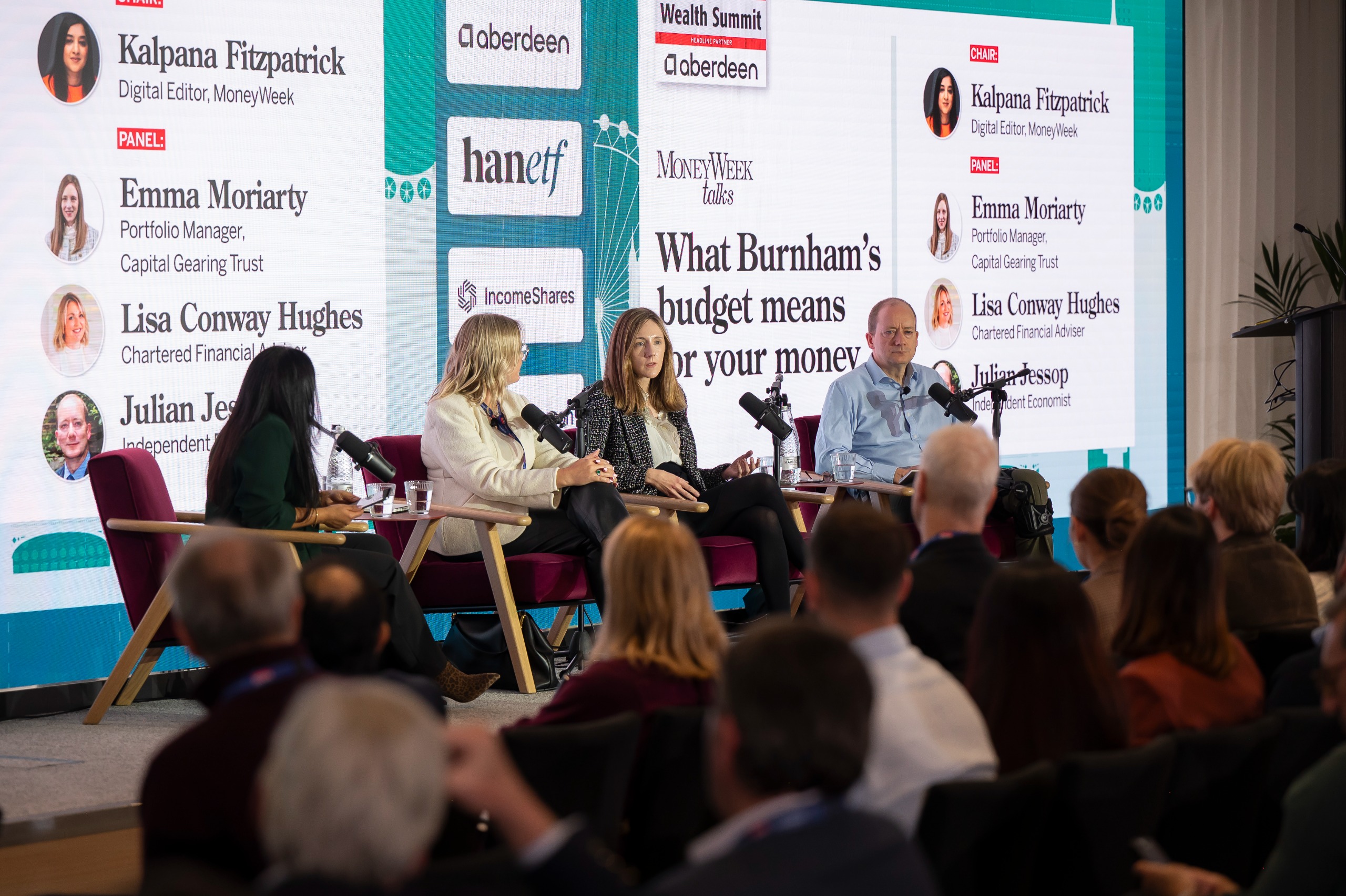
As for our UK Budget panel with economist Julian Jessop, Emma Moriarty of Capital Gearing and adviser Lisa Conway-Hughes of LCH/Wealth, you can hear what they thought on the MoneyWeek Talks podcast, also available to watch on YouTube. There were already some thoughts about what might change by our next summit, which will be on Friday 5 November 2027. Mark your diaries now.
This article was first published in MoneyWeek's magazine. Enjoy exclusive early access to news, opinion and analysis from our team of financial experts with a MoneyWeek subscription.