Britain’s space industry is the definition of good growth in every postcode, but too many start-ups are forced to seek foreign buyers when they want to scale, says James Lockyer
Andy Burnham has been desperate to turn back the clock lately. The mood music from the PM has been renationalise, regulate, back to the 1970s we go – like the backslapping at Labour’s conference for saving British Steel. At this rate, the Chancellor will probably be handing out free whippets for all at the Budget next week.
Take steel in particular, which is by any definition a sunset industry. It employs roughly 35,000 people and gets more than its fair share of airtime. But we hear much, much less about a forward-looking “sunrise” sector which has created more than 55,000 jobs and contributes much more to UK plc. The UK space sector – which is my area of expertise – would kill for the media steel gets, and it has a great story to tell.
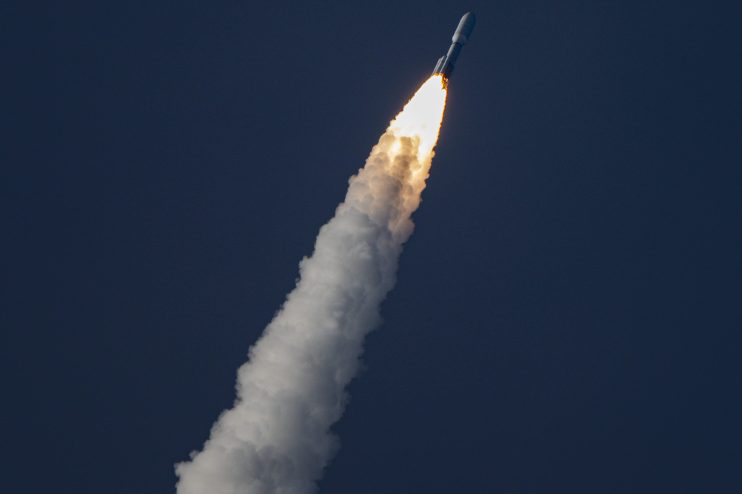
The problem for space is that it doesn’t “look” like an industry, like the pictures of molten steel and foundries you see on the TV. In the space world, the rockets get the TV pictures but most of the industry is satellites, the equipment that talks to them, and what people do with the data. Most Britons use space daily without a thought for the industry behind it.
What’s going wrong with our space industry is symptomatic of a wider national malaise, though, for all the Chancellor’s noises this week about supporting “sheer bloody-minded entrepreneurs”. Britain is good at starting space companies but bad at keeping them. Glasgow builds more small satellites than any other European city, and Guildford more or less invented the modern small satellite. Yet the UK ranks third in the world for the number of space investments and 17th for the size of each deal.
Stay in the know
Three daily briefings with the key market moves and top business and political stories.
SUBSCRIBE HEREThe reason is a massive catch-22. A space company must prove its product works in orbit before customers or investors will commit, and it needs money to get up there. But the average UK Space Agency grant was under £100,000 in 2023/24, which does not buy a rocket seat. Compare that with the US which offers grants of up to $60m per company, matched by private money, while we throw small changes at our brightest prospects.
So what happens is inevitable. Surrey Satellite Technology, which pioneered the small satellite, was sold to Airbus for around £40m in 2009. Over in Finland though, ICEYE, a company founded by two university students, has been backed by Finnish state and pension funds through every round of funding since 2018. It is now valued at more than €10bn. In September, the UK published a Space Strategy which promises more than £7.8bn to 2030, but much of it repackages earlier pledges. Most of it is going on defence too, rather than backing start-ups.
So what do we need to do to keep and nurture home grown successes? Number one, pay for the first flight of promising start-ups, matched by private money and reserve launch slots for British payloads. Then create a fund, with pension money alongside, to back the winners later before they get snapped up. Funding flights without later-stage money merely hands proven technology to foreign buyers. Finally, put a senior minister in charge, with a real budget, to give it more Whitehall clout.
Given the PM’s regional focus, these jobs would also land outside London. Once satellite television is stripped out, manufacturing makes up almost 40 per cent of genuine space employment. Places like Glasgow, Leicester and Cornwall stand to gain, which is precisely the “good growth in every postcode” the Prime Minister promised. Space is a Cinderella industry, but it is time that changed. The PM should take his eyes off the sunset and admire the sunrise instead, and next week’s Budget would be a good place to start.