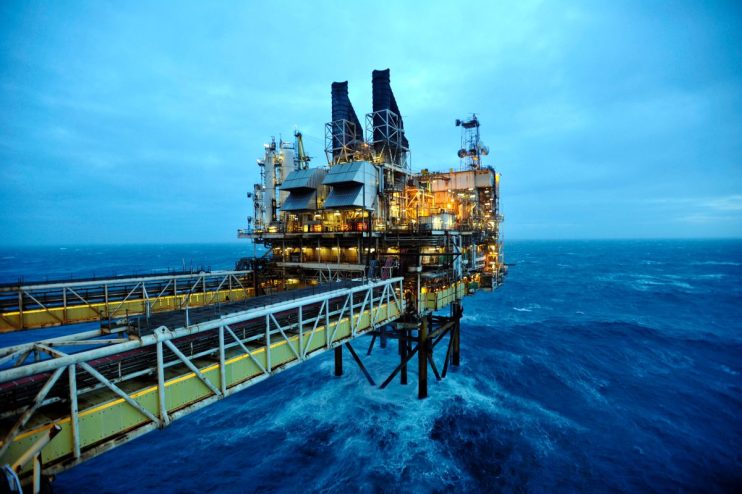
From 2029, decommissioning spending will overtake capital investment in the North Sea. This is economic self-harm, writes INEOS Energy chairman Brian Gilvary
The impending decision by the UK government over whether to approve the Jackdaw and Rosebank fields will mark a pivotal moment in the history and future of the North Sea. Almost £11bn of private investment waits in the wings, and the outcome of this decision will be a marker of whether Britain can regain its reputation as a serious place to invest in energy.
Approval would send a positive signal, but the issue is far bigger than two projects. Years of policy instability under consecutive governments, restrictions on new drilling and the Energy Profits Levy (EPL) have made it extremely challenging to make a business case for investment, causing capital to dry up.
Accelerating the closure of the UK North Sea does nothing to reduce global emissions. Demand for oil and gas remains, meaning production and carbon emissions are simply exported, starving the UK of valuable jobs, investment and tax revenues. This is damaging our energy security and long-term national wealth.
Let’s call this what it is. This is not managed decline; it is ideological destruction of a national resource owned by the country in the name of net zero.
The decommissioning paradox
Approving Jackdaw and Rosebank will not undo years of damage on its own.
By telling investors for years that the UK North Sea is not a reliable place to deploy capital, operators have voted with their feet, closing fields and redirecting investment. Last month, BP was the latest in a long list of operators to announce that it would be shutting up shop and directing investment elsewhere by announcing that it was marketing its UK North Sea oil and gas business.
Ironically, much of this investment has been channelled into the very same basin but under a different flag. Norway is now investing roughly 10 times more than the UK in its own continental shelf, and it is even exporting some of that gas back to UK shores.
When investment disappears, fields close earlier and decommissioning is brought forward. The North Sea Transition Authority recently revealed that almost a quarter of all spending in the basin over the next five years will go towards shutting infrastructure down, not building it up. Staggeringly, from 2029 decommissioning spending will overtake capital investment.
The acceleration of the decline of the North Sea has another important and often overlooked consequence for the Treasury. Companies can offset a significant proportion of decommissioning costs against tax. Premature closures therefore do not simply switch off future tax receipts, they bring the bill forward.
Current estimates suggest that the combined impact of decommissioning tax relief and lost tax revenues could approach £13bn by 2035. At a time when public finances are already under pressure, accelerating that liability amounts to economic self-harm.
What does stability look like?
Oil and gas will remain part of Britain’s energy mix for years to come. The question is not whether we use these resources, it is whether we produce them ourselves or pay other countries to do it for us.
A decision to allow Jackdaw and Rosebank to proceed would send an important signal about the direction this country will take. However, a green light for both fields alone is not enough. Beyond this, we need a more stable fiscal regime that gives operators the certainty they need to invest, the removal of government restrictions on new drilling and reform to the EPL.
The government now has a choice. Responsibly manage a critical natural resource and pillar of the UK’s energy security while protecting jobs and tax revenues. Or accelerate its decline, exporting emissions and increasing imports at a time of global instability, leaving a gaping hole in the Treasury’s pocket.
Brian Gilvary is the chairman of INEOS Energy