've run into volatile thieves for years – from opportunistic phone snatchers to people ripping computers off desks and biofuel bandits trying to steal vats of used cooking oil – and every time I file an incident report, I try to make a recommendation for preventive measures.
It's safer to try to avoid a situation where things get physical with a suspected criminal. I don't want to let my employers down, but I also don't want anyone to have to go to hospital – myself included.
Greggs seems to be following a similar train of thought: earlier this year the chain phased out self-service cabinets in areas where shoplifting is rife and has installed safe pod "robocops" with 120-decibel sirens in some stores.
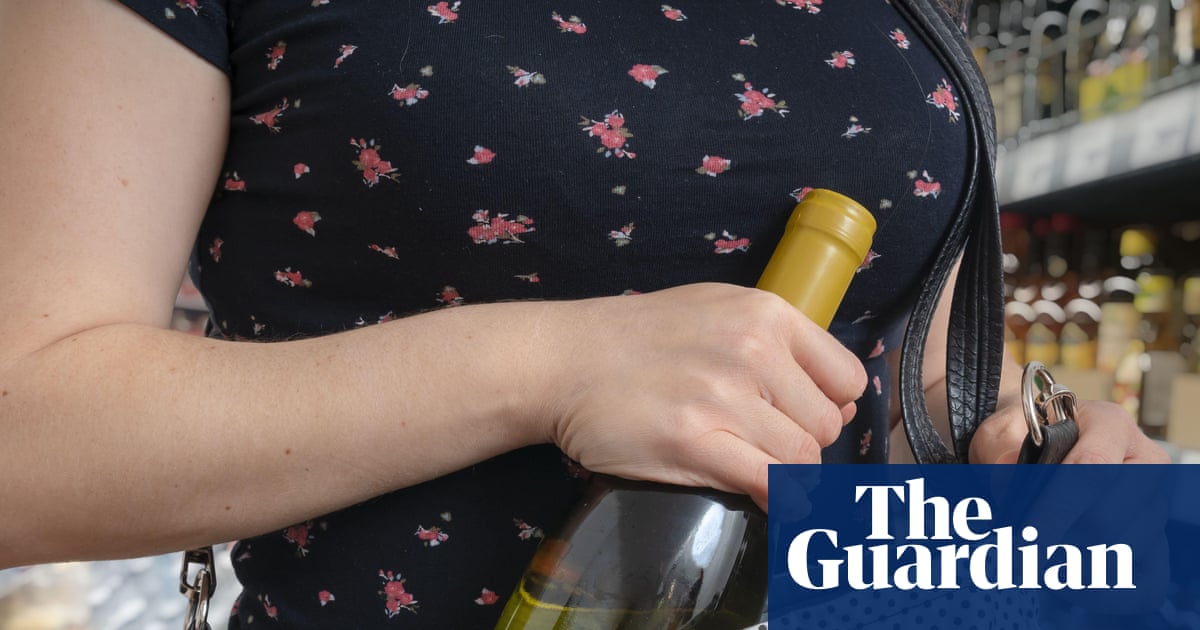
But snatch thefts seem to be on the rise everywhere, from "steaming" (large groups overwhelming a store) in city centres to machinery being swiped from rural farm shops. The cost of this crime – in terms of lost merchandise and measures to tackle it – further erodes margins at a time when retailers are battling higher employment costs and increases to business rates.
Customers, ever squeezed by rising energy bills, are becoming doubly impatient: those who are not tempted by grabbable goods are rightly affronted by measures such as sliding shields that seem to imply that everyone is a criminal.
But is it possible to make a store thief proof and welcoming to law-abiding clientele?
Discreet high technology is a happy medium. PTZ cameras (pan/tilt/zoom, which can be adjusted to track and focus on a single suspect) are one of the most-effective choices. They're more efficient than fixed-camera CCTV, less controversial than AI surveillance and a serious upgrade on the convex mirror mounted at the end of the aisle in your local corner shop.
PTZ camera manoeuvrability means high-quality facial images, a must-have when trying to build evidence. Freeze-frames can also be used to generate stills that some premises owners choose to turn into warning posters, or share on a chat group with other local businesses.
My advice here is to be wary of GDPR regulations and remember that an incorrect time signature can render recordings inadmissible.
As useful as movable cameras are, they still require a human operator. Hiring guards can feel like a tax on businesses – but one that goes unpaid at considerable risk.
Ask anyone who lives in a village whether they'd prefer a CCTV camera or a "bobby on the beat" and the answer would be probably unanimously the latter.
The sight of a uniformed officer can be a strong deterrent. However, it comes with an upper limit. For example: if a 3,000 sq metre supermarket can accommodate 40,000 goods and 4,000 daily customers, one guard will not be able to cover it all.
It is also hard to identify which customers might be preparing to swipe something, especially given the rise of "middle-class shoplifting". As someone whose job pays just above minimum wage, this is an interesting phenomenon.
I get that inflation presses down on all of us, but people further up the pyramid than me should know it won't be shareholders or bonus-receiving bosses taking the hit for goods being pinched: it will be prices. Higher costs will further imperil the most vulnerable people who walk on site, the ones who already cannot afford bread or baby formula.
My best approach in these cases is empathy. I try to introduce myself to anyone who hangs around but looks jumpy; explain that every tap of my bank card makes me sweat too.
I also try to build local knowledge of repeat offenders: insight that made the bobbies on the beat so valuable. I know it won't work against content creators who film me for "lols" while I'm administering first aid, and who half of all young Brits apparently want to emulate. I honestly fear them more than I do getting punched, stabbed or spat on.
But doing your revision pays off, especially when encountering an unsettled local resident with a penchant for threatening people with kitchen utensils. As the resident in question strode towards the premises one morning, my shiftmate quickly asked me whether I knew his name and address (I did).
"Morning, Mr Beddlington," said my colleague as the resident got level with us and before he could grab his first frying pan. "Everything OK at Thorn Court today? Anything we can help with?"
The resident did an about-face and left the site. Loss prevention done low-cost and painlessly.
Names and addresses have been changed
What the Bouncer Saw: Life on the of the Security Business by George Bass is published by Hachette. To support the Guardian, order your copy at guardianbookshop.com. Delivery charges may apply