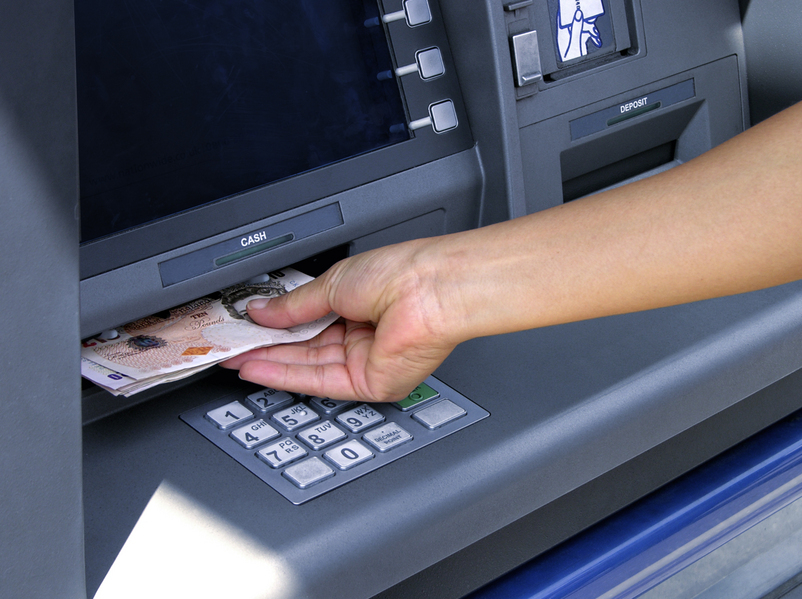
Opening a business bank account can make it easier to manage your finances, track expenses and prepare your tax returns. Here’s what you need to know about setting one up, including five providers to consider. When you’re starting a business, opening a separate bank account might not be at the top of your to-do list. […]
Opening a business bank account can make it easier to manage your finances, track expenses and prepare your tax returns. Here’s what you need to know about setting one up, including five providers to consider.
When you’re starting a business, opening a separate bank account might not be at the top of your to-do list. But mixing customer payments, business expenses and personal spending can quickly make your finances difficult to manage.
A dedicated business account gives you a clearer picture of how much money you’re making and spending. You can also use it to access services such as business loans, invoicing tools and accounting software integrations, depending on the provider.
But do you actually need one, and how do you go about opening an account?
Do you need a business bank account?
Whether you’re legally required to have a business bank account depends on how your business is structured.
If you’re a , you’re not legally required to open a separate business bank account. You can use a personal account, although some banks prohibit business transactions under their terms and conditions.
For , the rules are different. Your company is a separate legal entity, so you must keep its finances separate from your own. You’ll need a business bank account for this.
Even if you’re a sole trader, there are several good reasons to keep your business and personal finances separate.
For one, you’ll find it easier to track your income and expenses without having to sift through personal transactions. This can save you time when preparing your tax return and could reduce the amount of work your accountant needs to do.
A separate account also makes it easier to see how much cash you have available to pay suppliers, cover expenses and invest in your business.
Some business accounts go further, offering built-in accounting tools, automated expense categorisation, tax estimates and invoicing. You may also be able to apply for business loans, overdrafts and other financial products.
How to choose a business bank account
There’s no single business bank account that will suit everyone. The right choice depends on how you run your business, how often you make payments and what additional services you need.
Here are a few things to consider before opening an account.
Account fees: Some providers offer free business banking with no monthly subscription, while others charge a fixed fee. However, a free account won’t necessarily be the cheapest option if you’re making lots of transactions. Look at the charges for transfers, cash deposits, withdrawals and international payments.
How you bank: If you regularly handle cash, check whether you can pay it in at a branch or Post Office and how much this costs. If you mainly receive payments digitally, an app-based account may offer everything you need.
Accounting and tax tools: Many business accounts now integrate with accounting software such as Xero, Sage and QuickBooks. Some also offer built-in tools for tracking expenses, calculating tax and sending invoices, potentially saving you the cost of separate software.
Borrowing and support: You might not need a loan or overdraft when you first open your account, but that could change as your business grows. Consider whether the provider offers finance and what support is available if you need help.
International payments: If you work with overseas customers or suppliers, compare exchange rates, foreign transaction fees and the currencies you can receive and hold.
You should also check how your money is protected. Eligible deposits with UK-authorised banks are generally covered by the Financial Services Compensation Scheme (FSCS), up to £120,000 per eligible depositor, per authorised banking institution. Electronic money accounts use different safeguarding arrangements and are not covered by FSCS deposit protection.
What do you need to open a business bank account?
Most providers let you apply for a business account online, although the information and documents you’ll need vary.
Generally, you should be prepared to provide:
- Proof of your identity and address
- Your business name, address and contact details
Some banks may also ask for a business plan or additional financial information, particularly if you’re applying for borrowing.
Once you’ve chosen an account, you’ll usually need to complete an application and verify your identity. Many digital providers allow you to do this through their app, while traditional banks may require additional checks.
Some accounts can be opened within minutes, although approval can take longer depending on your circumstances and the provider’s verification requirements.
How long does it take to open a business bank account?
Opening a business account can take anywhere from a few minutes to several days or longer, depending on the provider and your circumstances.
Digital providers often let you apply directly through their app and may approve straightforward applications quickly.
Traditional banks may take longer, especially if they need to verify multiple directors, review financial information or carry out additional checks.
You can help avoid delays by having your identification and business details ready before you apply.
If you’re switching from an existing business current account, you may also be able to use the free Current Account Switch Service, provided both banks participate and your business meets the eligibility criteria.
Is a business bank account worth it?
Even if you’re a sole trader and don’t legally need one, opening a business bank account is usually a sensible move.
Keeping your finances separate makes it easier to understand your cash flow, claim allowable expenses and prepare your tax returns. And with providers offering everything from free accounts to integrated accounting software, you don’t necessarily need to take on a large monthly expense.
Before applying, compare the total cost of running the account rather than just the headline monthly fee. A free account with expensive transaction charges could cost you more than a paid one, particularly if you’re handling lots of payments.
The best option is the one that suits how your business operates today, with enough flexibility to support you as it grows.
Five business bank account providers to consider
From traditional high-street banks to digital providers with built-in accounting tools, there’s no shortage of options for UK small businesses.
Here are five providers worth considering.