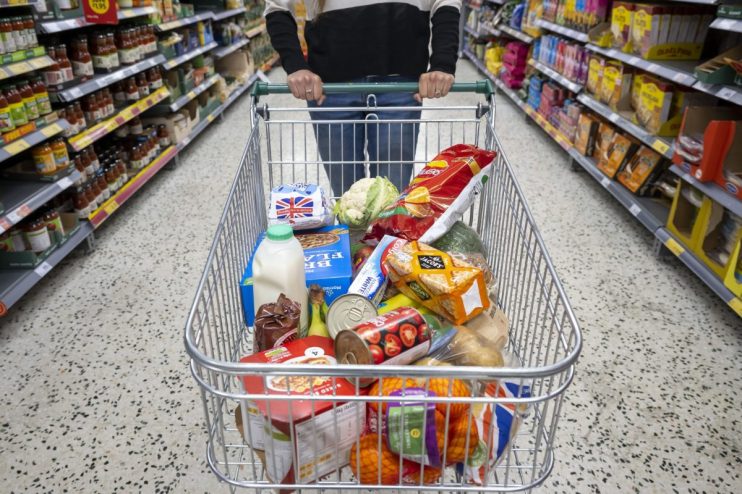
The ‘cost of living crisis’ has become a well-worn phrase over the last four years, but what do the numbers actually reveal about the state of the household sector, asks Paul Ormerod
During the energy price and inflation shocks of 2022/23, the phrase “cost of living crisis” was very much in the consciousness of both politicians and the electorate.
Before the end of 2021 the phrase had a low search volume on the internet. It rose very sharply and peaked just over a year later. Since then, there has been a steady but substantial decline.
Speeches of politicians reflect the same trends. But the obsession with the potential impact of inflation on living standards remains high.
In Andy Burnham’s first speech as Prime Minister on 20 July, for example, the phrase “cost of living” featured prominently. Both he and the Chancellor John Healey make frequent reference both to that and similar phrases such as “living costs” and “financial strain”.
An improvement on the 2010s
But the experience of the past three years shows that, on average, people have not been doing too badly. Average earnings, adjusted for inflation, have shown an increase of 1.4 per cent a year since the middle of 2023.
Of course, compared to most of the decades between the end of the Second World War and the financial crisis of the late 2000s, this rise is only modest.
It is a very distinct improvement, however, on the 2010s. Real earnings, in other words earnings adjusted for inflation, barely rose over the entire decade between 2010 and 2020. The average annual rise was effectively zero in fact, at a mere 0.1 per cent.
There certainly was a real squeeze during the previous energy price crisis. In the first quarter of 2023, for example, real earnings were three per cent lower than they had been a year ago.
Households since then have not exactly been living in clover, but they have seen modest improvements in their spending power. They have continued to save substantial amounts, some nine per cent of disposable income, and have been paying back debt on a noticeable scale. The financial balance sheet of the household sector is looking healthier than it has done since well before the pandemic.
The deeper cost of living problems
It is when we look under the bonnet of the overall figures that the problems start to appear.
For example, according to data from UK Finance, around 150,000 households each month face renewal of their mortgages. The interest rates on existing ones are considerably lower than current market rates. The Bank of England estimates that just over 5m households will see an increase in mortgage payments by the end of 2028.
Even more importantly, since the July 2024 election the government has taken a rather relaxed view on public sector pay settlements. During 2025, a substantial gap appeared in the annual growth rates of pay in the public and private sectors. In the year to October 2025, for example, public pay rose eight per cent compared to four per cent in the private sector.
This differential has persisted. Indeed the latest available data for July 2026 shows a 7.2 per cent increase in the public sector compared to just 2.8 per cent in the private sector. Given that inflation is just above three per cent, real earnings growth has become negative in the private sector.
A clear signal was sent only last week by Prime Minister Burnham and Chancellor Healey when they rejected the health secretary’s request for hundreds of millions of pounds in extra funding for an NHS nurses’ pay deal.
High interest rates, high energy prices and new restraints on public sector pay – the phrase “cost of living crisis” looks as if it will be trending again in Google searches this winter.
Paul Ormerod is an honorary professor at the Alliance Business School at the University of Manchester. You can follow him on Instagram @profpaulormerod