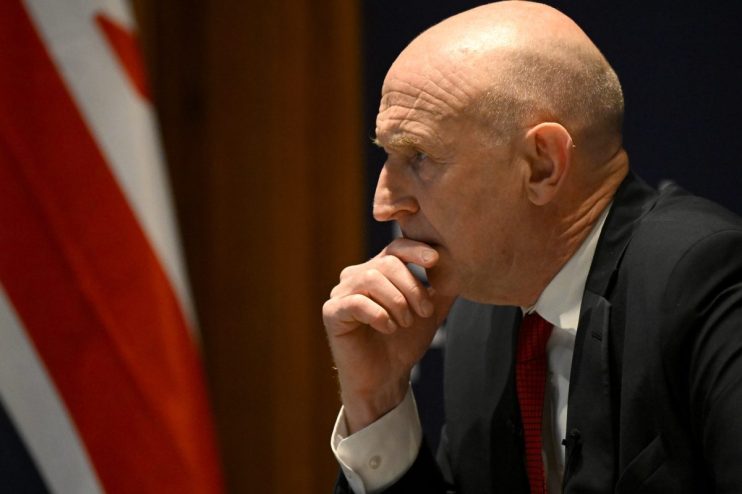
Chancellor John Healey has promised that the Budget will “meet the moment” as rising costs are set to hamper households and businesses over the next few months.
In interviews in Bangkok for the International Monetary Fund’s meetings, Healey said he had acted from “week one” to relieve pressures facing businesses and households with a blitz of support measures on energy bills, bus fares and business rates.
Healey said he would “look to” continue to ease pressures further at the Budget, with the continuation of the Iran war and further global trade tensions threatening to dent growth and confidence levels across the country.
“The Budget has got to meet the moment,” Healey told Sky News. “It’s got to meet the moment by recognising the pressures that households and businesses are under.”
“We have a plan to get on top of the budget problems that have been there in Britain for too long in the past,” he added.
Stay in the know
Three daily briefings with the key market moves and top business and political stories.
SUBSCRIBE HEREThe Chancellor indicated that any support measures offered would be “targeted” and “should be temporary” in a separate discussion with ITV News.
However, Healey admitted the government could not “remove the pressures that people feel”.
The Bank of England has warned that a crunch period for households and many businesses could come in the next few months. Inflation is expected to exceed four per cent in the early parts of 2027 while interest rates could also rise next month.
Healey avoids Budget speculation
This week, the International Monetary Fund singled out the UK government for its plan to narrow the deficit to the lowest level out of any G7 nation, although this is based on projections stretching out five years to the future.
City analysts have predicted that the Chancellor will not make large taxes or spending cuts even as the size of his fiscal headroom may have halved to about £12bn. Researchers have said that a large proportion of the cut has come as a result of higher borrowing costs, reflecting higher gilt yields over recent months.
Financial services firms fear that Healey could target large banking profits in order to fund extra support for households and businesses.
In an interview with Bloomberg, he said British banks were essential for the UK’s competitiveness.
“They’re a part of the jewel, if you like, in the British economic crown – a big contributor to the economy,” Healey said.
However, when pressed on whether banks would have to pay a higher levy than the current three per cent surcharge on profits, he insisted he would not fuel Budget speculation.
“One of the damaging things in previous years has been speculation ahead of the Budget and it’s had a real impact as people have cashed in pensions when they didn’t need to, stopped investment when they didn’t need to. As Chancellor, the last thing I’m going to do is fuel speculation ahead of a Budget which is less than two weeks away now.”