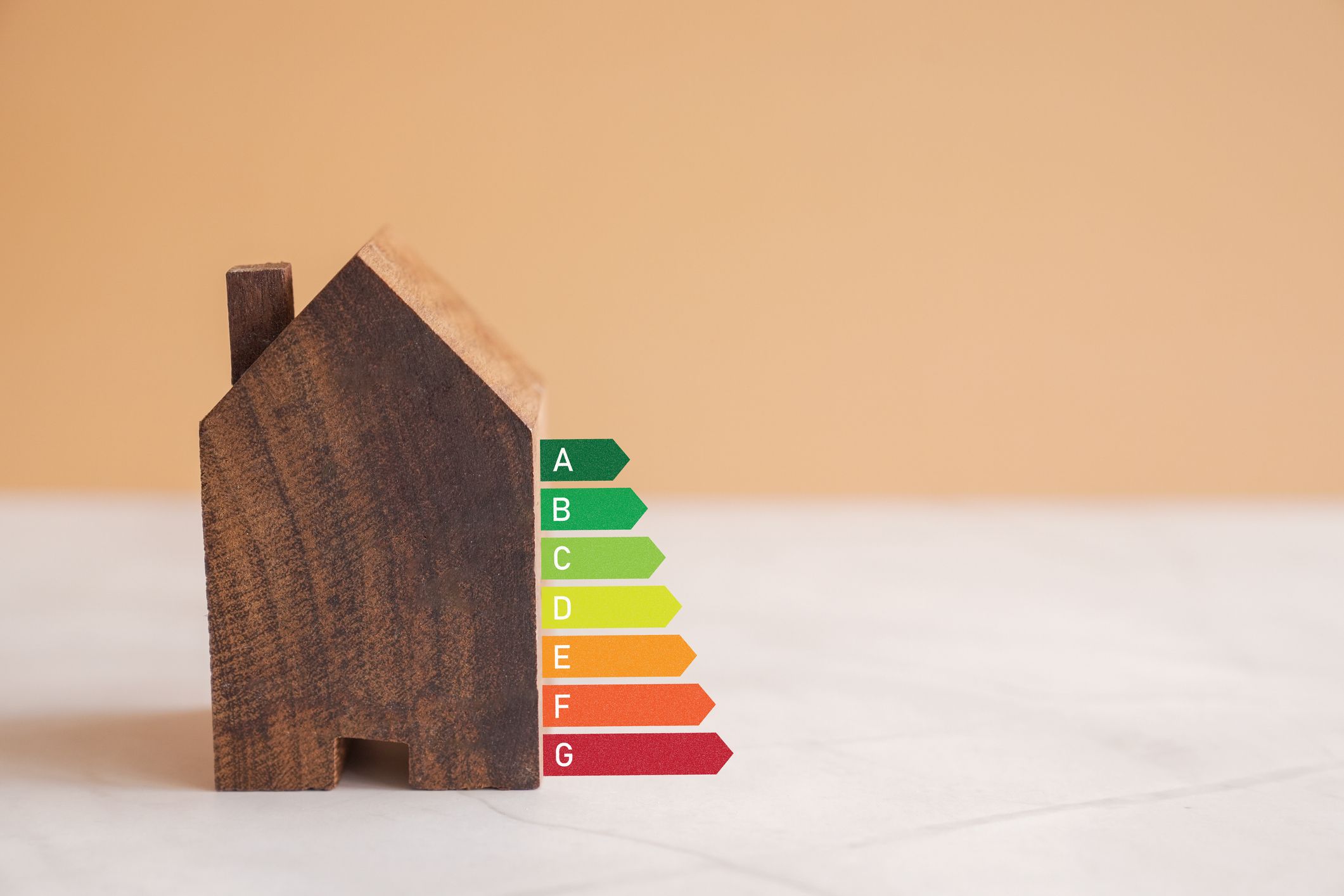
Energy Performance Certificates (EPCs) are not only a legal requirement, but increasingly scrutinised by buyers considering purchasing a home.
Data from property portal Rightmove reveals buyer demand for homes with an EPC rating of A was up by 22% in July this year compared to July 2025.
Colleen Babcock, property expert at Rightmove, said: “A home's energy efficiency can influence buyer demand, how quickly it sells, and ultimately the price a buyer is willing to pay.
Try 6 free issues of MoneyWeek today
Get unparalleled financial insight, analysis and expert opinion you can profit from.
Start your trial
Sign up to Money Morning
“We’re seeing stronger price performance among more energy-efficient homes, while properties with lower EPC ratings are seeing smaller price growth overall.”
EPCs were rolled out by the government from 2007 and provide a rating based on the energy efficiency of a property.
Homes are ranked from A (most efficient) to G (least efficient). The certificate also offers recommendations on how a home could be made more energy-efficient and the savings to be made implementing them.
For example, yours might tell you to add draught proofing around your property, or to install solar panels to lower your electricity bill.
Why do you need an Energy Performance Certificate?
EPCs are a legal requirement if you’re selling, renting or building a property.
You must order an EPC for potential buyers or tenants before putting a property on the market to sell or rent.
In Scotland, you must also display the EPC somewhere in the property, like next to the boiler. This rule doesn’t apply to homes in England, Wales or Northern Ireland.
EPCs are valid for 10 years so it’s worth checking if yours is coming up for renewal.
How do you get an Energy Performance Certificate?
You can check if your property has a valid EPC via gov.uk, by entering your postcode, street name and town, or EPC number.
The digital version of an EPC will tell you when it is due to expire, as well as the potential score you could achieve by making energy improvements.
The average energy rating in England and Wales is D (score of 60).
If your property and digital EPC does not appear after taking these steps, or your EPC has expired, you’ll need to pay for a new one from an accredited assessor. You can find one via gov.uk.
The cost of the assessment varies depending on the assessor and the size of your property. According to trade platform Checkatrade, you’ll typically pay £65 to £120.
After it has been done, the assessor should give you a digital copy of your certificate.
Can you get free or discounted EPCs?
You should check if you can get a free or discounted EPC through your bank, building society or energy firm.
- Skipton Building Society customers signed up to its membership scheme can get free EPCs.
- Santander customers with a Santander mortgage or personal current account can get an EPC for £75.
- Buy-to-let lender Foundation offers free EPCs to customers buying qualifying mortgages.
- OVO Energy customers can get a Home Health Report carried out on their property, which includes an EPC, for £25.
How Energy Performance Certificate rules are changing
The government is set to launch a new framework meaning EPCs will have four cost metrics instead of one: energy cost, fabric performance, heating system and smart readiness.
The reforms were initially due to launch in October 2026, but have been delayed. They are currently set to be rolled out in the second half of 2027.
Separately, landlords must ensure all private rental properties have an EPC rating of C or above, from E currently, by 2030 under the Minimum Energy Efficiency Standard (MEES).
However, they will have to ensure they meet the C rating under the new framework being rolled out from 2027.
Landlords will have to meet a C standard in the fabric performance metric. They can meet this by, for example, installing loft insulation, cavity wall insulation or double glazing.
They will then have to meet the C standard in either the heating systems or smart readiness metric. They can meet the heating systems metric by installing a heat pump or low-carbon heat network and the smart readiness metric by having solar panels or smart electric vehicle (EV) charge point.
It will be at the landlord’s discretion as to whether they choose to meet the heating systems or smart readiness metric.
When do you not need an Energy Performance Certificate?
You don’t need an EPC for any of the following:
- temporary buildings that will be used for less than two years;
- stand-alone buildings with total useful floor space of less than 50 square metres;
- buildings that are due to be demolished;
- holiday accommodation that’s rented out for less than four months a year;
- residential buildings intended to be used less than four months a year;
- places of worship.