At Phoenix, where we manage Aurora UK Alpha, we buy bargain stocks that sit well below what we think they are worth, then hold, often for years, while that value is recognised. We look for businesses with enduring demand and the strength to serve it better than their rivals, run by people we trust with our capital.
Markets have a habit of paying up for excitement and marking down neglect. Today the excitement is AI and the neglect is much of the British stock market. We have no doubt that AI will reshape economies and business in the future. But how much a technology matters and what investors earn from it are different things. Railways changed the world, but ruined many who funded them.
Here are three examples of bargain stocks for UK investors to consider.
Start your trial of MoneyWeek today
Get unparalleled financial insight, analysis and expert opinion you can profit from.
Start your trial
Sign up for MoneyWeek’s free twice-daily newsletter.
Join more than 165,000 subscribers and keep yourself informed with latest financial news, insights and expert analysis to help you understand what really matters when it comes to your finances.
Join more than 165,000 subscribers and keep yourself informed with latest financial news, insights and expert analysis to help you understand what really matters when it comes to your finances.
Three bargain stocks for your portfolio
grew from a single sports shop into one of Britain's largest retailers, spanning Sports Direct, Flannels and a stable of other brands it either owns or has partnered with. Retail is unforgiving and Frasers thrives in it for two reasons. It is the lowest-cost operator, so it can sell at prices rivals cannot match and still earn high profits. And it never stands still: it experiments, expands what works and stops what doesn't, so it constantly evolves with the consumer. The market treats Frasers as if it were a shop exposed to the high street's decline. We see a capital allocator that happens to sell trainers, expertly navigating a changing environment and compounding capital for the past 40 years.
is Britain's largest housebuilder. Housing is a basic need and decades of undersupply have left the country short of homes. Housebuilding is less risky than it looks. Builders buy land, build and sell, pricing each plot to leave their margin intact after building costs. When the market turns, land prices fall to restore that margin. The risk in the cycle is largely borne by landowners, so builders' cash returns remain high and steady.
Barratt has around £6 billion invested in land and homes, yet the market values the business at around £4 billion. We estimate that if it simply built out the land it owns and handed back the cash, shareholders would receive close to three times today's market value. The board has started buying back shares with its excess capital, turning that gap into a permanent gain for remaining shareholders.
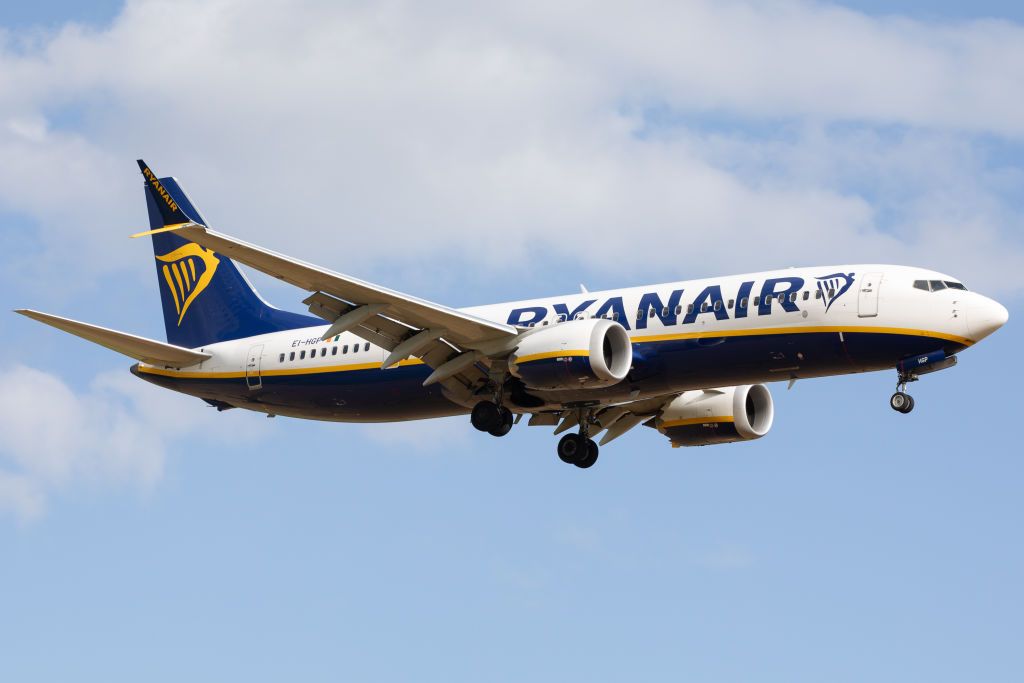
carries more than 200 million passengers a year, more than any other airline in Europe. Its success rests on one idea, pursued by Michael O'Leary for four decades: have the lowest costs and charge fares no rival can match. Its culture treats every pound of cost as the enemy. It flies one type of aircraft, turns them around in minutes and refuses to pay for anything a passenger will not clearly value. Rivals have copied the model for 30 years without closing the gap.
Getting the right culture and the right people is hard. The shares have fallen by a fifth this year due to worries about the oil price. But every shock to aviation, from 9/11 to the pandemic, has ended with Ryanair holding more of the market, because the lowest-cost operator is the last to cut flights and the first to buy aircraft when others cannot. A difficult year for airlines is not a difficult year for Ryanair.
This article was first published in MoneyWeek's magazine. Enjoy exclusive early access to news, opinion and analysis from our team of financial experts with a MoneyWeek subscription.