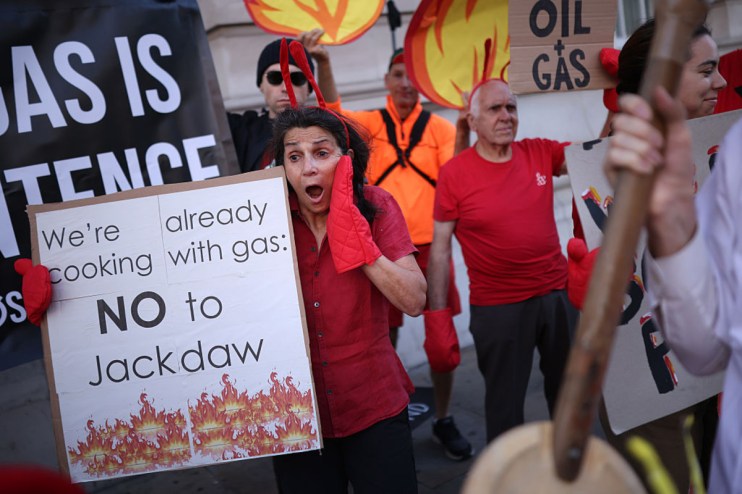
Approval for more oil and gas drilling at the North Sea sites Jackdaw and Rosebank have been delayed by “government process” and lengthy bureaucratic wrangling, Prime Minister Andy Burnham has said.
Burnham told MPs that he would take a “pragmatic approach” on oil and gas drilling amid calls from energy bosses for drilling to go ahead at the two sites, which were blocked by Scottish courts on environmental grounds in 2024.
The energy secretary, Miatta Fahnbulleh, is expected to make a decision on whether to give drilling the green light at the Jackdaw and Rosebank, which would be operated mainly by Shell and Equinor, within weeks.
Consultations on drilling at either site ended in August, with Fahnbulleh having to balance the growth effects against environmental commitments in her decision.
Both the Rosebank oil field and Jackdaw gas field near Aberdeen had been approved by the former Conservative government. Labour campaigned on a manifesto in 2024 that said it would not issue new licences for oil and gas drilling.
During Prime Minister’s Questions, Tory leader Kemi Badenoch urged Burnham to “stop faffing about” and allow energy bosses to proceed with drilling.
Burnham said: “I’ve had to wait for the government process, which was struck down by the courts under the Conservative government, to be fixed because they messed it up and we inherited that situation.
“I will take a pragmatic approach on oil and gas. We will set out our decisions shortly.”
Jackdaw and Rosebank could ‘add £35bn to UK economy’
Equinor chief executive Anders Opedal said rejections would put the UK’s attractiveness to investors at risk, claiming it would be a “major setback” for the country.
“The Keir Starmer government said the UK was open for business. We’ve applied for consent twice” he said.
“Adura has done everything it has been asked to do. The UK has one of the most rigorous approval processes in the world.”
Jackdaw could begin production this winter if approved, as much of its infrastructure is already in place, industry figures have said,
A report by Public First, commissioned by Adura, the joint venture between Shell and Equinor, said the two projects could generate £35bn in extra value added to the UK economy between 2026 and 2035. Extra tax revenues amounting to £12.1bn could also be built up in the next decade, more than £4bn provided under the current projection.