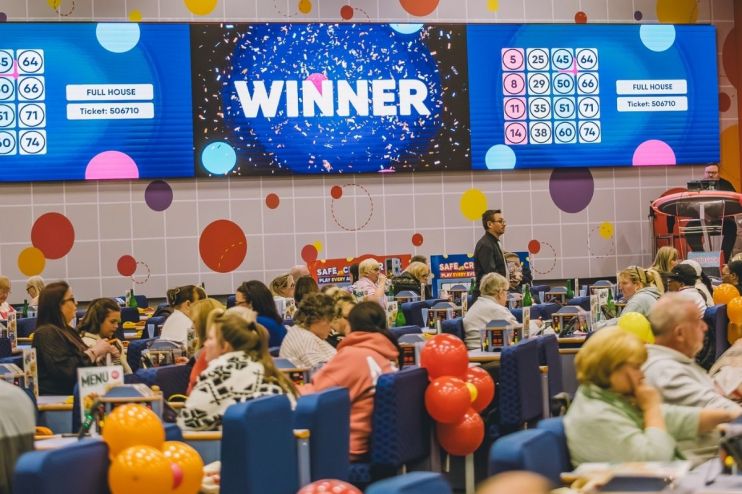
The country’s biggest bingo hall operator has hit out at the “significant” hikes to employment costs which dragged down its earnings despite surging Gen-Z interest in the pastime.
Buzz Bingo, formerly Gala, blamed recent increases in employer national insurance contributions (NICs) and the minimum wage for its six per cent dip in underlying earnings, to £39m.
The group, which hosts nearly 100,000 players each week at its 76 bingo halls, said it has seen huge interest among younger players in recent years, but this has not been enough to outweigh the impacts of Labour policy.
The bingo group saw eight per cent more in-person players and a 30 per cent jump in online customers in the year to January. Its revenue grew by 11 per cent to £241m.
“This strong revenue growth and substantial uplift in customer numbers was offset by the significant increase in employer’s national insurance contributions which came into force in the year, as well as the above inflation increase in the national living wage,” Buzz’s accounts said.
The group has been forced to cut back on its spending in refurbishing its bingo halls and hiring more staff as a result of the tax hikes, it is understood.
Higher employment costs “represented a substantial and largely unavoidable cost headwind for the group, given the labour-intensive nature of the retail estate and the scale of the colleague base,” the firm said.
Leisure companies have hit out at the government over rising employment costs in recent weeks, warning that higher taxes are damaging the sector, which relies on a high number of workers.
In May, Hollywood Bowl chief executive Stephen Burns said that the hikes to NICs and wages were “incredibly painful” and have made it “significantly more expensive” to hire.
Gen-Z flocks to bingo halls
Buzz Bingo said that half of the 190,000 new customers it welcomed in the last year were aged 35 or less.
“More Gen Zs and millennials are embracing bingo as a fun, affordable night out without the costs that often come with an expensive night out drinking,” chief executive Dominic Mansour said in its report, which covered the 12 months to January 2026.
“The appeal of bingo to younger demographics has been a long-term trend, and our decision to invest in our clubs and online has started to pay off. Over half of new bingo players in our clubs are now under 35, and that number continues to grow.”
Despite growing its revenue, the group fell to a £66m pre-tax loss last year, more than double the prior year’s £32m loss.
This included an £18.5m hit to expected cash flows as a result of a hike to the remote gaming duty, a tax on online and over-the-phone gambling.
The rate of this levy jumped by 21 per cent to 40 per cent from April this year.