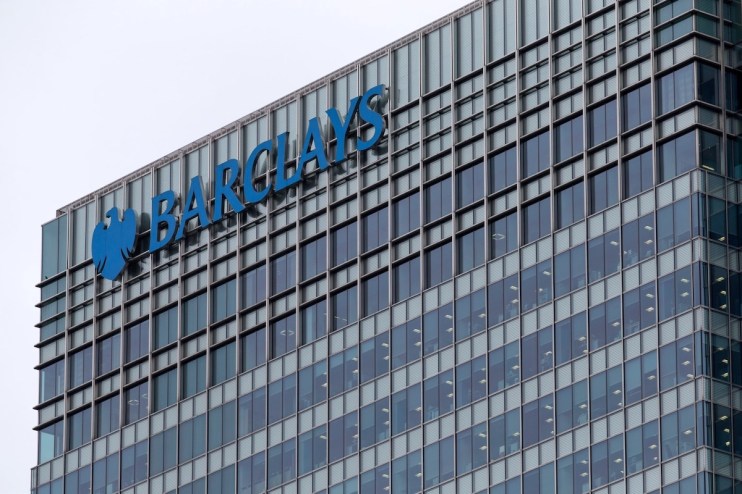
Barclays, Natwest, Lloyds and HSBC toasted to a £14n profit haul in the third-quarter but sweeping job cuts stole the show. Samuel Norman takes a look at what the last three months future.
As bank leaders stepped up to the podium for third-quarter earnings, the agenda had already been set for them.
Barclays opened the reporting run by confirming roughly 5,000 jobs would be cut over the course of the year. Having already cleared 1,000 in the first half, the remainder would be gone before the year is out.
Just months ago in May, Barclays’ boss CS Venkatakrishnan, known in the industry as Venkat, said the “fundamental impact” of AI was coming but he didn’t quite see it “yet”.
By autumn, however, the tone had switched and the third-quarter earnings reports suggested the technology had already begun to eat away at the sector’s headcount.
Stay in the know
Three daily briefings with the key market moves and top business and political stories.
SUBSCRIBE HEREBarclays’ cull, which will affect around five per cent of its global workforce, came as part of plans to save more than £1.1bn by 2027.
Venkat said AI was driving the “bulk of efficiency gains,” adding it has “an important role to play and may have a more important role to play in the future”.
“We will employ AI at scale but AI is the icing on the cake not the cake,” he said.
It immediately teed up questions over what rival banks may be plotting as they set their sights on equally ambitious cost-cutting targets.
Natwest said it had cut its total staff count by 1,000 in the last quarter during its update, taking its total to 1,400 so far this year.
The figures do not include its takeover of wealth manager Evelyn Partners and around a quarter of the cuts were tied to the sale of its consultancy service Mentor.
“We’ve acquired some businesses and we’ve also sold some businesses… there’s no single change that’s influencing the numbers,” Natwest boss Paul Thwaite said.
When pressed about how the bank was using AI, Thwaite said “roles are changing” but pushed back on suggestions Natwest was using AI to solely cut costs.
“It’s too often framed in quite a narrow way around efficiency,” he said.

Banks bear the axe on costs
Natwest said it had delivered £420m in annual savings for the first nine months, aided by its simplification strategy across operations and leveraging new technology.
It has also reduced its cost-to-income ratio to 45.7 per cent, compared with 47.8 per cent in the same period last year. The shifts come as part of a strategy to get below 45 per cent by 2028.
Lloyds finance chief William Chalmers said AI was an “important overall efficiency tool” but made a similar effort to Thwaite to stress he did not “necessarily subscribe” to some of the broader views around how the tech was used.
The bank introduced another £2bn saving target earlier this year, which it is looking to achieve by 2030. Lloyds caps off its previous five-year strategy this year where it has already achieved £2bn in savings.
“Banks have spent heavily on technology for years, but we are increasingly reaching the point where that investment translates into fewer people being required to run the business,” Will Howlett, financials analyst at Quilter Cheviot, said.
He added the growing question for investors was around turning tech investment and a smaller workforce into “sustainably lower costs without compromising growth”.
Wall Street giant Morgan Stanley has doubled its forecast for AI-driven job losses across the European banking sector to 400,000, which marks roughly 20 per cent of the continent’s workforce.
Ripping off the band-aid
The pressure to cut costs follows a slide in net interest income since the Bank of England began reducing interest rates two years ago, after they reached a post-financial crisis high in the aftermath of the pandemic. Net interest income is the money made from the difference between rates charged to borrowers and those offered to depositors.
The Bank of England’s rate reduction cycle is set to reverse due to the inflationary pressures triggered by the US-Iran war. It is expected to raise rates to four per cent this week but they will remain below the highs of 5.25 per cent witnessed from August 2023 to 2024.
Jonathan Pierce, equity analyst at Jefferies, said the earnings updates added to the view that analysts may have gotten “too enthusiastic” on a potential boost in interest income.
Natwest forecast its net interest margin – a key metric measuring a bank’s profitability from lending – to reach 2.5 per cent in 2027. This marked a miss from the 2.62 per cent consensus, which Pierce said helped spark a “knee-jerk” reaction in shares following the update.
“Any level of downgrade is unhelpful. And the resulting share price reactions (in all the banks) have been larger than we might have thought,” he added.
Pierce said the “band-aid [was] torn off this season” for revenue expectations. But industry bosses also seem to have ripped off the plaster for job cuts alongside it.