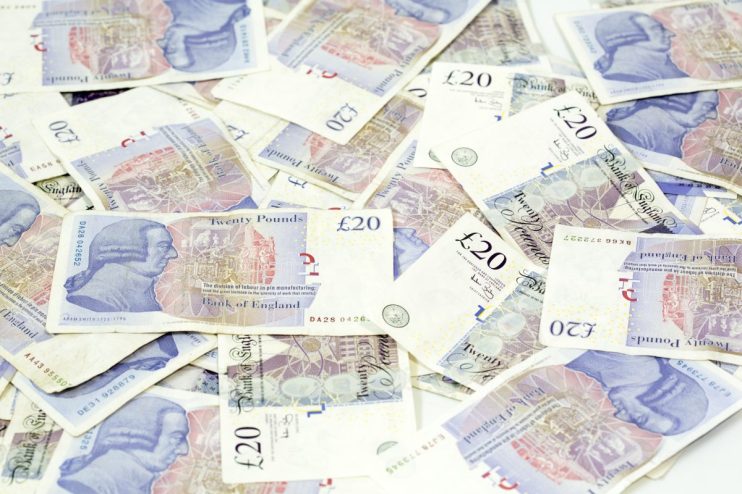
Protecting an incentive to keep money sitting in cash is a failure of ambition to stimulate growth, says Michael Healy
Britain needs more investors, but the Chancellor has chosen to reward people for keeping their money in cash. His decision to protect the £20,000 Cash ISA allowance is a victory for the savings lobby and a defeat for British households, who deserve a tax system designed to help them build wealth.
With the government searching for revenue to tackle the ongoing debt crisis, this Budget offered a rare opportunity to reform a system which encourages cash accumulation at the expense of long-term investment. Instead, the Chancellor has chosen to preserve the status quo
.
The cash dependence dilemma
The scale of Britain’s dependence on cash is becoming increasingly difficult to ignore, with Cash ISA subscriptions rising by £26.1bn in 2024-25, more than four times the £6.1bn increase in Stocks & Shares ISA subscriptions. Even more concerning was the fact that cash accounted for 64 per ceny[-pl4 of adult ISA accounts subscribed to during the year.
Stay in the know
Three daily briefings with the key market moves and top business and political stories.
SUBSCRIBE HEREWhile cash offers security and easy access for emergencies and short-term needs, holding too much over longer periods leaves households exposed to inflation and missing opportunities to build wealth through investment. The Government should be helping people understand this distinction rather than reinforcing a savings culture which limits their financial potential.
For most households, the tax advantages of Cash ISAs are also far less significant than politicians suggest. Someone paying basic-rate tax with £25,000 in a standard savings account earning four per cent interest would pay nothing on their returns, thanks to the £1,000 Personal Savings Allowance, assuming no other savings income. With the Chancellor looking for ways to raise revenue, why continue offering tax breaks for holding cash when the priority should be helping households build wealth through investing?
An opportunity that could be worth hundreds of millions
Phasing out Cash ISAs for new contributions would offer a better use of the tax system, while protecting existing balances and allowing households to continue saving through ordinary bank accounts. IG modelling suggests the reform would generate up to £610m in additional annual tax receipts by 2032-33, providing funding to help more people invest.
One option would be a £1,000 investment grant for every UK-born child, paid into a Junior ISA and invested in a diversified fund. At current birth rates, the scheme would cost around £700m a year, with the projected Cash ISA revenues eventually covering most of the bill.
The same thinking should apply to adults who have yet to invest. The government should introduce a first-investor bonus, matching every £1 invested into a first Stocks & Shares ISA up to £1,000. Only 17 per cent of UK adults currently hold one, leaving millions without any direct experience of investing. IG estimates that if one per cent of eligible non-investors took up the offer, nearly £1bn would flow into equities at a cost of around £450m to the Treasury.
Together, these proposals would give children a financial head start and reward adults for making their first investment. Both would help shift Britain’s savings culture towards long-term wealth creation.
For a government promising to strengthen household finances, stimulate growth and repair the public finances, this Budget represents a failure of ambition. Rather than using the tax system to help more people build wealth, the Chancellor has chosen to protect an incentive which keeps money sitting in cash.
Michael Healy is CEO of IG Consumer