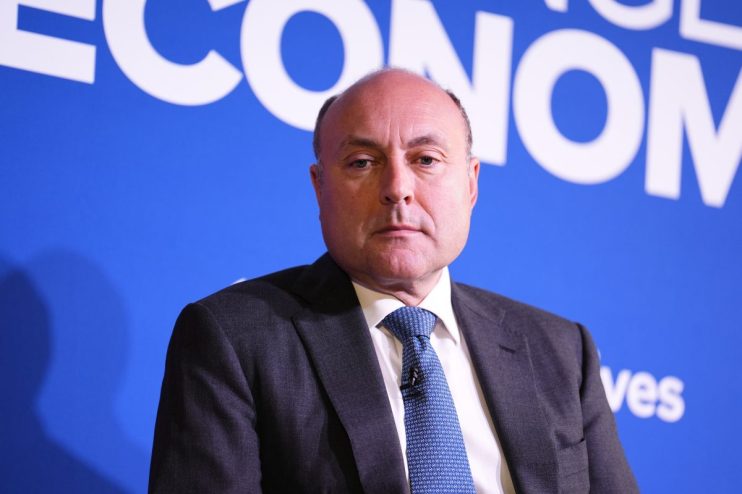
Andrew Griffith’s fierce interest in politics long preceded his involvement in it.
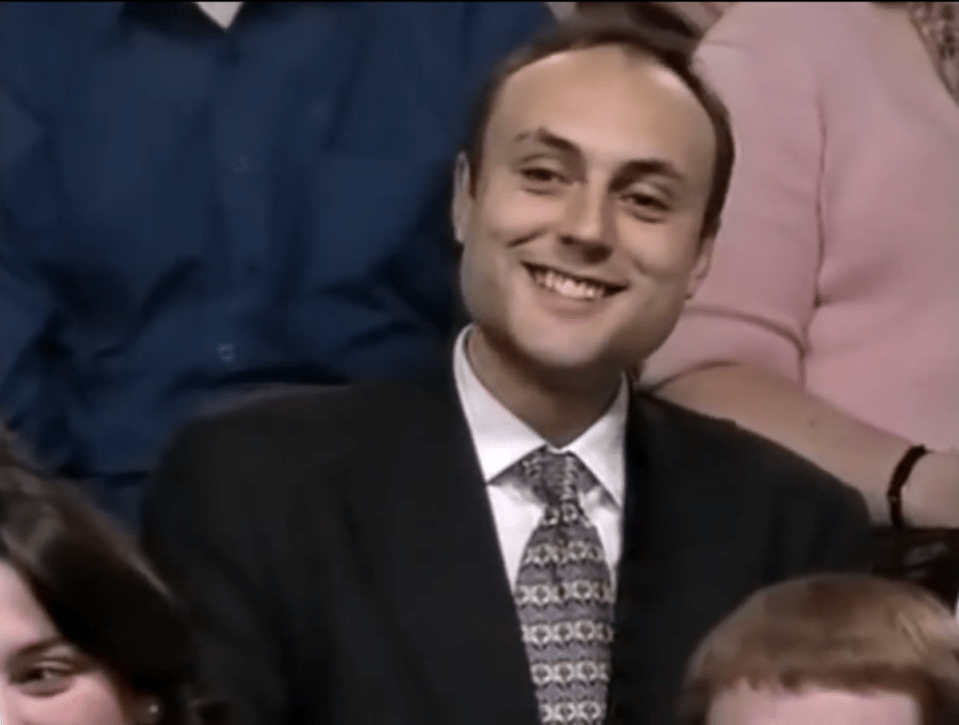
Aged 26, he appeared in the audience of a 1997 Question Time show, in which host David Dimbleby gave him the opportunity to speak to would-be PM Tony Blair. He didn’t hold back.
“You may be the glossy smart marketing, but you haven’t changed your policies,” a bright-eyed Griffith blasted, to chuckles from the crowd.
He might level the same accusation at Andy Burnham today. But nearly three decades on, Griffith now finds the shoe is on the other foot, and it is the Prime Minister saying rude things about him.
As soon as he was promoted to shadow Chancellor on Monday, Griffith became the subject of repeated ridicule from Burnham – first in the Commons on Tuesday, and then again at PMQs on Wednesday – over his role as a Treasury minister during the turbulent and short-lived Liz Truss administration, immortalised by the disastrous mini-Budget.
“What other thing can I say in response to that but God help us,” Burnham guffawed.
Griffith rebuffs the attacks, accusing Burnham of “making up stories.”
“I was a newly appointed junior minister responsible for financial services regulation – I wasn’t sighted on the Budget until it had already gone to print the night before,” Griffith says in an interview with City AM.
“Andy Burnham would love to talk about anything other than the fact that, in his few short days in office, he’s already writing cheques that the government and bond market feel can’t be properly cashed.
“I’m sure he’d like to talk about many other things, including making up stories about [my] influence in a budget, which is simply not the case.
“Clearly mistakes were made, but we need to look forward, not backward.”
Plainly, Burnham will seek to bring up the Truss debacle at every opportunity, but Griffith is defiant, pointing out that bond yields – which are now well above where they were under Truss – are now higher than in most other major economies, which he says is “a function of government uncertainty.”
Griffith, who became an adviser to Boris Johnson before joining the Commons after the 2019 general election, is for the moment keeping schtum on how a Badenoch budget could take shape.
As a former City minister under Sunak, he will be acutely aware of demands for reforms to keep the Square Mile internationally competitive, including abolishing stamp duty on shares.
Would he revisit that? “Not today.” Reviewing the exorbitant state pension triple lock, which some in the Conservative party (and shadow cabinet) have described as a “Ponzi system”, also remains firmly off the table.
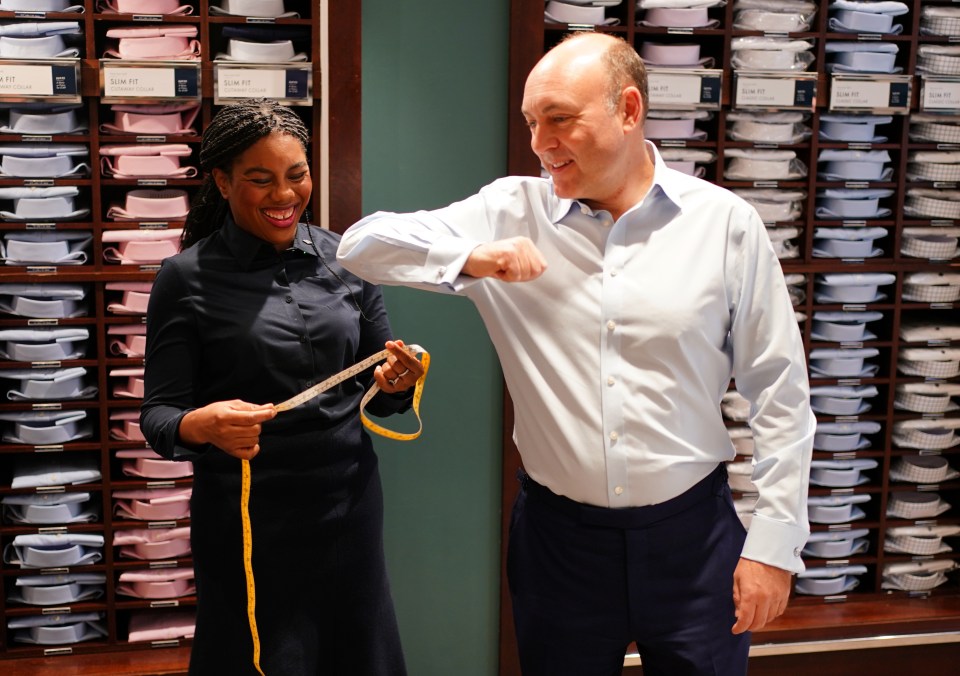
But Griffith says his private sector experience, including a decade-long stint as the finance director of erstwhile FTSE 100 constituent Sky, means he knows how to deliver budgets.
“It reinforces the imperative to tell people, when making decisions, spending money, or cutting taxes, precisely where the money is coming from,” Griffith, a qualified accountant, says.
“The disciplines that businesses engage in every day, whether hiring people, balancing the books, taking a risk on a new investment, or keeping customers happy by consistently delivering, are all enormously relevant if you are trying to grow your economy [and] keep an eye on what competitor economies are doing.”
Griffith eyes the comparative lack of business acumen in the Cabinet – fewer years’ private experience combined than he has alone, by one calculation – as a key advantage, one which he says is “important politically” in forming the party’s vision for government.
“It’s not that one wants a Westminster full of 650 people from business, but given that the productive private sector makes up most of the economy, it would be nice if there were better representation on government benches.”