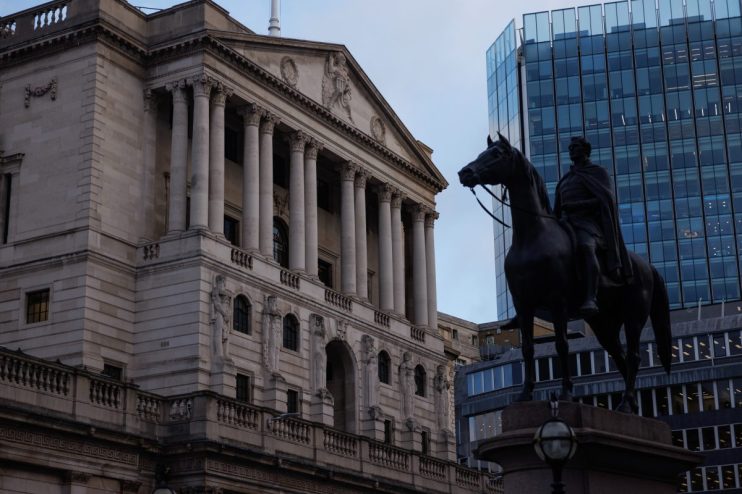
The Bank of England’s unanimous decision to raise interest rates to four per cent reflects serious concerns over persistent inflation, not just external shocks. The government most now address root cost issues rather than blaming external factors like the war in Iran, says Emmanuel Igwe
The war in Iran has been central to the Bank of England’s considerations around interest rates for the most of this year. In September, only three of the nine members of the Monetary Policy Committee (MPC) voted to raise rates. But this changed this week as, for the first time since August 2023, all nine members voted to increase the Bank Rate. Although eight members supported the rise from 3.75 to four per cent, Catherine Mann wanted the Rate increased to 4.25 percent. The Bank settled on an increase to four percent.
This decision does not come as much of a surprise to the markets, though the unanimity was unexpected. Economists had expected a seven-two split, with those not voting for an increase assumed to support a hold. A unanimous vote reveals something important: the Bank does not consider energy shocks to be a temporary blip. During the press conference, the Bank admitted that, although the shock has not yet passed through to wider wages and prices, it did not want to sit idle and wait until it does.
Central bankers typically overlook temporary supply shocks such as increases in oil prices as they only lead to a one-time increase in the price level, not persistent inflationary pressures. More concerning are second-round effects, such as businesses raising prices to protect profit margins and workers asking for increased wages to keep up with the rising cost of living.
Running hot
CPI inflation was up from 3.1 in August to 3.5 percent in September, driven mostly by rising fuel prices. 68 per cent of businesses in the Bank’s October Decision Maker Panel said that energy shocks are behind their intentions to raise prices. The OBR expects inflation to peak at 3.75 percent early next year. The forecast from the Bank, released today, shows a gloomier prospect: a rise in inflation of up to five per cent by mid-2027.
Stay in the know
Three daily briefings with the key market moves and top business and political stories.
SUBSCRIBE HEREIn addition to this, the economy is running hot. It is welcome news that Britain was the fastest growing economy in the G7 in the first half of this year. But this is a low bar, and even our modest growth has been met with knock-on price effects from global energy trade. This creates an environment in which businesses pass rising costs to shoppers through raising prices. The Bank says this affected its decision to increase interest rates.
Impact on households will vary. For those with tracker mortgages, payments will go up immediately, while lenders will pass on interest rate increase to those with variable rates within a month. Those with a fixed mortgage rate will be initially insulated from the rate increase but will face a sharp payment increase when their current deal ends and they must remortgage. In a rare bit of good news, those with cash savings, such as prospective first-time buyers, would finally earn a bit of interest after a long while.
Businesses will perhaps suffer more. Firms already shouldering inflated energy bills due to the Iran war now have to contend with higher borrowing costs. Small businesses heavily reliant on variable-rate credit lines and overdrafts will feel it first. This will cast a shadow on the business investment that was the catalyst for Britain’s economic growth this year. Markets are pricing in the prospect for up to four more quarter-rate rises by the end of 2027. If this persists, businesses will see their profits squeezed well into next year.
To the Treasury, the Bank’s decision was a verdict on the Chancellor’s first Budget. With a fiscal headroom of £15bn – down from £23.6bn recorded in March – the OBR estimated that higher than expected inflation would add £14bn a year to government borrowing costs this parliament. If markets expect a long run of rate rises, debt interest will eat into whatever buffer the Treasury has left.
Critics such as the New Economics Foundation call today’s decision “an act of economic self-harm”. But to hesitate at this moment would be fatal. When a central bank hesitates to act when businesses are signalling to raise prices, it risks losing a grip on market expectations. By raising rates today, it limits the intensity of rate hikes later. Higher interest rates may cool domestic demand, but they cannot lower energy prices or open the Strait of Hormuz.
Things may change.Energy prices fell after the US midterms this week in an expectation of de-escalation in Iran. Governor Andrew Bailey was careful not to promise more rises. For those in the committee who were doveish such as Alan Taylor and Swati Dhingra, today’s decision was more of an insurance than a firm belief that we are stuck here.
The job now falls to the government to tame supply-driven inflation. Yet the current Treasury strategy features a £4bn sticking plaster that consists partly of a £100 energy rebate that does nothing to alter the trajectory of CPI – shaving only a negligible 0.1 percentage point. The Chancellor must confront the root problems: inflated energy costs, much of which has nothing to do with Iran. He could begin by removing green and social levies from household bills. According to Prosperity Institute research, green initiatives are already set to increase bills by the equivalent of £1,400 per household by 2031. An EU summit looms on 20th November, where Andy Burnham’s proposed UK-EU alignment on carbon costs could just make matters worse. The public might accept pinning the blame on Iran this time round, but neither the Bank nor the government can get away with it indefinitely.
Emmanuel Igwe is an economist at the Prosperity Institute